


Stress is a universal experience that affects people across all stages of life. Whether it stems from work pressures, personal challenges, or health issues, stress can have a significant impact on both our mental and physical health. Two areas where stress has a particularly profound effect are emotional regulation and self-esteem. Emotional regulation refers to the ability to manage and respond to emotional experiences in a healthy way, while self-esteem is the overall sense of personal worth or value. This article will explore the impact of stress on emotional regulation and self-esteem, and offer strategies for managing stress to protect emotional health.
Understanding Stress and Its Effects on the Body and Mind

What Is Stress?
Stress is the body’s natural response to any demand or threat. It triggers a “fight-or-flight” reaction, releasing hormones like cortisol and adrenaline to help the body react to challenging situations. Stress can be categorized into two types: acute stress and chronic stress.
- Acute Stress: Short-term stress that occurs in response to a specific event, like a job interview or an argument. This type of stress is usually temporary and resolves once the situation passes.
- Chronic Stress: Long-term stress that persists over an extended period, often due to ongoing issues like financial problems, relationship conflicts, or work-related pressure.
While acute stress can sometimes be beneficial by improving focus and energy, chronic stress has detrimental effects on the brain and body, especially in the areas of emotional regulation and self-esteem.
The Biological Effects of Stress
When the body experiences stress, it releases cortisol, a hormone that increases glucose levels and prepares the body to respond to threats. However, prolonged exposure to high levels of cortisol can have damaging effects on the brain, particularly in areas involved in emotional control and cognitive function. Chronic stress also disrupts sleep patterns, increases the risk of anxiety and depression, and contributes to feelings of overwhelm and helplessness, all of which directly impact emotional regulation and self-esteem.
Learn more about how mindfulness and stress impact self-esteem.
The Role of Emotional Regulation in Self-Esteem
What Is Emotional Regulation?
Emotional regulation is the process of managing and responding to emotional experiences in a way that promotes mental health and well-being. It involves being able to control emotions, rather than being controlled by them. Good emotional regulation allows individuals to navigate difficult situations with a clear mind and prevents emotions from overwhelming their decision-making processes. This capacity is critical for maintaining healthy self-esteem, as it helps individuals stay composed under pressure, reducing impulsive reactions and negative self-perceptions.
How Emotional Regulation Affects Self-Esteem
Self-esteem and emotional regulation are closely linked. When individuals can regulate their emotions effectively, they are more likely to have a stable sense of self-worth. Emotional regulation fosters resilience, allowing individuals to maintain their confidence even when faced with setbacks or challenges. In contrast, individuals who struggle with emotional regulation often experience intense emotions like anger, sadness, or anxiety, which can negatively affect how they perceive themselves.
For example, someone with poor emotional regulation may overreact to criticism or failure, internalizing these experiences as reflections of their personal worth. Over time, this can lead to diminished self-esteem and increased feelings of inadequacy.
Emotional Dysregulation and Self-Esteem
Emotional dysregulation refers to the inability to manage emotions effectively. This often results in emotional outbursts, mood swings, or prolonged periods of sadness or anxiety. Emotional dysregulation makes it difficult for individuals to maintain a balanced self-image, as they are more likely to view their emotional reactions as evidence of personal failure or weakness.
How Stress Impacts Emotional Regulation
The Disruptive Effect of Stress on the Brain
Chronic stress has a direct impact on the brain’s ability to regulate emotions. Cortisol, the hormone released during stress, impairs the functioning of the prefrontal cortex, which is responsible for executive functions like decision-making, impulse control, and emotional regulation. At the same time, stress increases activity in the amygdala, the brain’s emotional center, which heightens fear and anxiety responses. This imbalance makes it more difficult for individuals to stay calm and composed, leading to emotional dysregulation.
Stress-Induced Emotional Outbursts
When the brain is under stress, it becomes harder to manage emotional responses. Stress can lead to emotional outbursts, impulsive behavior, or an exaggerated response to relatively minor triggers. These emotional reactions often lead to feelings of guilt or shame, further eroding self-esteem. For example, someone who lashes out in anger during a stressful situation may later feel embarrassed or inadequate, believing that they are not capable of handling their emotions appropriately.
Explore more on emotional regulation and self-esteem.
The Role of Cortisol in Emotional Regulation
High cortisol levels not only impair emotional regulation but also contribute to mental health issues like anxiety and depression. This creates a vicious cycle where stress impairs emotional regulation, leading to negative emotional responses, which in turn exacerbate stress and further erode self-esteem. Individuals in this cycle may find it increasingly difficult to manage their emotions, feel confident in their abilities, or maintain a positive sense of self-worth.
The Link Between Stress, Self-Esteem, and Mental Health
How Stress Erodes Self-Esteem
Stress can take a significant toll on self-esteem. When individuals are under constant stress, they often feel like they are failing to meet expectations or losing control of their lives. This feeling of inadequacy can lower self-esteem, making individuals doubt their abilities and worth. In extreme cases, chronic stress can lead to feelings of hopelessness and self-blame, further diminishing self-esteem.
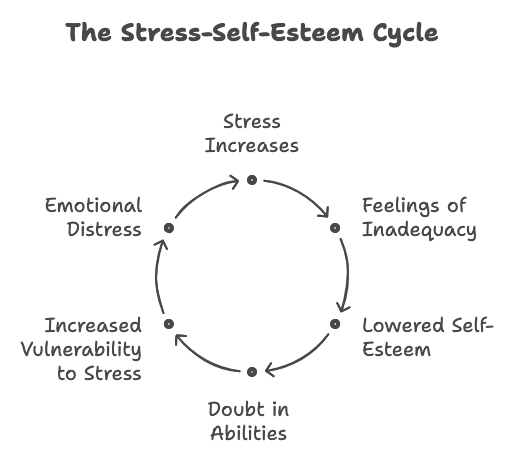
Low Self-Esteem and Stress Susceptibility
Interestingly, individuals with low self-esteem are more vulnerable to stress. Research shows that people with lower self-esteem tend to have a heightened sensitivity to stressors, and they are more likely to experience emotional distress in response to everyday challenges. This creates a feedback loop where stress lowers self-esteem, and low self-esteem makes it harder to cope with stress.
The Stress and Self-Esteem Feedback Loop
| Stage | Description |
|---|---|
| Stress Occurs | A stressful situation triggers emotional or physical reactions. |
| Emotional Response | The individual struggles to manage their emotions, leading to dysregulation. |
| Self-Esteem Drops | The individual internalizes their emotional reactions, believing they are a failure. |
| Increased Stress | Lower self-esteem makes the individual more vulnerable to future stressors. |
Learn more about how resilience helps in high-pressure situations.
Strategies for Managing Stress and Strengthening Emotional Regulation
Mindfulness Practices
Mindfulness involves staying present in the moment and observing your thoughts and feelings without judgment. Regular mindfulness practice can significantly reduce stress levels and improve emotional regulation by promoting awareness of emotional triggers and enhancing the ability to respond calmly. Techniques like deep breathing exercises, meditation, and grounding techniques help individuals manage stress and control emotional responses.
Physical Activity and Stress Reduction
Exercise is a proven method for reducing stress and boosting emotional regulation. Physical activity lowers cortisol levels, increases endorphins, and improves overall mood, helping individuals feel more in control of their emotions. Regular exercise also enhances cognitive function, making it easier to manage stress and maintain emotional balance.
Journaling for Emotional Awareness
Keeping a journal can be an effective tool for tracking stress triggers and emotional reactions. By writing down their thoughts and feelings, individuals can gain insights into patterns of emotional dysregulation and identify strategies for managing stress. Journaling also provides a healthy outlet for expressing emotions, which can prevent emotional buildup and reduce the likelihood of outbursts.
Explore how self-compassion in self-care can help during stressful times.
Building Emotional Resilience
Emotional resilience refers to the ability to bounce back from stressful situations without being overwhelmed by negative emotions. Building resilience involves developing coping strategies that allow individuals to manage stress effectively and maintain emotional regulation. Practices like setting realistic goals, creating a support system, and fostering a positive mindset can help individuals build emotional resilience and protect their self-esteem during times of stress.
How do you manage stress in your daily life, and what impact do you think it has on your emotional regulation and self-esteem?
Rebuilding Self-Esteem After Chronic Stress
Self-Compassion and Stress Recovery
One of the most important steps in rebuilding self-esteem after chronic stress is practicing self-compassion. Self-compassion involves treating yourself with kindness and understanding during difficult times, rather than being self-critical. By acknowledging the challenges you’ve faced and allowing yourself to make mistakes, you can begin to rebuild your sense of self-worth.
Developing Healthy Coping Mechanisms
Many people turn to unhealthy coping mechanisms, such as overeating, alcohol consumption, or avoidance, to deal with stress. Unfortunately, these behaviors can further erode self-esteem. Developing healthier coping mechanisms, such as exercise, creative hobbies, or spending time with loved ones, can help individuals manage stress in a way that enhances rather than diminishes their self-esteem.
Seeking Professional Help
Chronic stress can have a lasting impact on emotional regulation and self-esteem, and sometimes professional help is necessary to break the cycle. Therapists and counselors can provide valuable guidance on how to manage stress, develop healthier emotional responses, and rebuild self-worth. Therapy approaches like Cognitive Behavioral Therapy (CBT) and Mindfulness-Based Stress Reduction (MBSR) are particularly effective for individuals struggling with stress-related self-esteem challenges.
Conclusion
The impact of stress on emotional regulation and self-esteem is profound. Chronic stress impairs the brain’s ability to manage emotions, leading to emotional dysregulation and diminished self-esteem. However, with the right strategies, individuals can manage stress effectively, strengthen their emotional regulation, and rebuild their self-worth. By incorporating practices like mindfulness, physical activity, and journaling, and by seeking professional support when necessary, individuals can protect their emotional health and maintain a positive sense of self-worth even in the face of stress.


