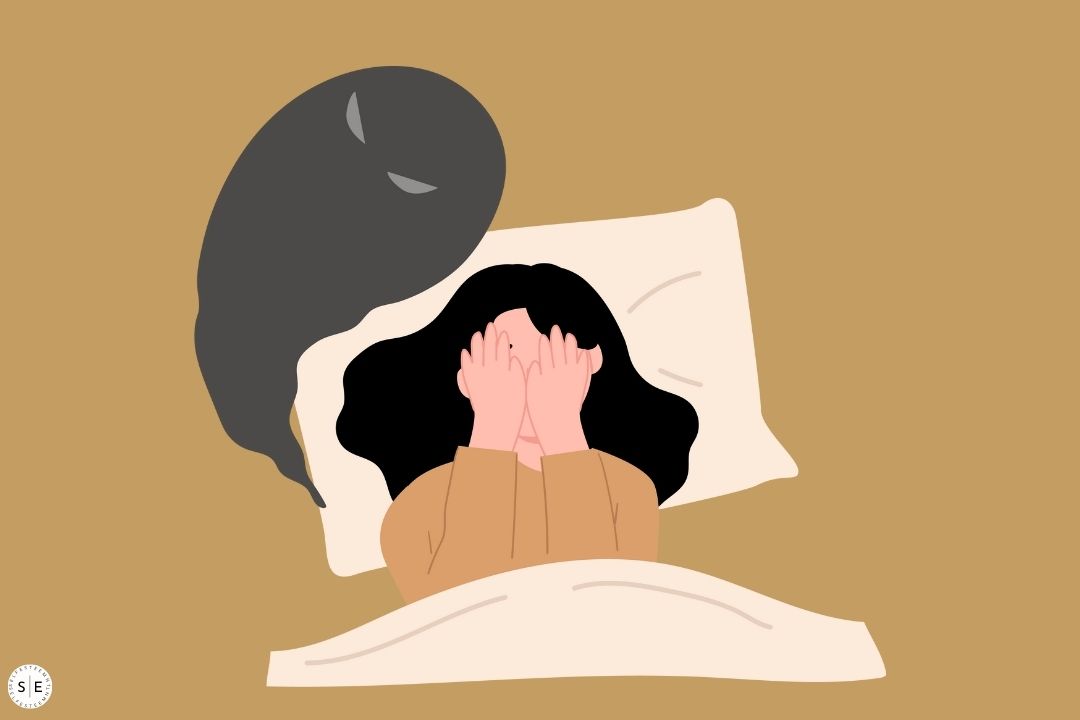

Post-Traumatic Stress Disorder (PTSD) is a mental health condition triggered by a traumatic event. It is characterized by symptoms like flashbacks, nightmares, anxiety, and emotional numbness. For many individuals suffering from PTSD, self-esteem issues often accompany the trauma. Trauma has a profound impact on how people perceive themselves and their worth, leading to a cycle of low self-esteem and mental health challenges. In this article, we will explore the connection between PTSD and self-esteem issues, how trauma affects self-worth, and what strategies can help rebuild self-esteem during recovery.
What is PTSD?
Definition of PTSD
Post-Traumatic Stress Disorder (PTSD) is a psychological condition that develops after someone has experienced or witnessed a traumatic event, such as war, assault, accidents, or natural disasters. PTSD can occur immediately after the event, or it can manifest months or even years later. The condition affects approximately 3.6% of adults in the United States, and it can have long-lasting effects on mental health and emotional well-being.
Common Causes and Symptoms of PTSD
PTSD can develop from various types of trauma, including:
- Physical or sexual assault
- Serious accidents
- Combat exposure
- Natural disasters
- Emotional abuse or neglect
People with PTSD often experience a range of symptoms, including:
- Intrusive thoughts: Flashbacks or nightmares about the traumatic event.
- Avoidance behaviors: Actively avoiding places, people, or situations that remind them of the trauma.
- Hypervigilance: Being constantly on guard or easily startled.
- Emotional numbness: Feeling detached from others or having difficulty experiencing positive emotions.
These symptoms not only affect daily functioning but also play a significant role in shaping how individuals view themselves and their self-worth.
Explore more on how trauma can impact self-esteem in our article on emotional regulation in self-esteem.
How PTSD Impacts Self-Esteem
The Relationship Between Trauma and Self-Worth
PTSD often leaves individuals feeling powerless, out of control, and fundamentally unsafe. These emotions can lead to a deep sense of inadequacy and low self-esteem. Survivors of trauma might internalize feelings of guilt, shame, or self-blame, even when the traumatic event was beyond their control. This internalization damages self-worth, leading individuals to believe they are less capable or less deserving of love and respect.

Self-Blame and Guilt
A common psychological response to trauma is self-blame. People with PTSD may replay the traumatic event in their minds, questioning what they could have done differently to prevent it. This self-blame contributes to feelings of guilt and diminishes self-esteem. Survivors may feel as though they “failed” to protect themselves or others, reinforcing a negative self-image.
Emotional Numbness and Detachment
Another way PTSD affects self-esteem is through emotional numbness. As a defense mechanism, individuals with PTSD may suppress their emotions or detach from their feelings entirely. This emotional disconnect can prevent them from experiencing positive emotions, such as pride or happiness, further reinforcing feelings of inadequacy and worthlessness.
Hypervigilance and Anxiety
The hypervigilance that comes with PTSD can lead to heightened anxiety and fear in everyday situations. Individuals may feel constantly on edge, which further undermines their confidence in their ability to navigate daily life. This chronic state of anxiety makes it difficult for those with PTSD to trust themselves and their judgment, ultimately eroding self-esteem.
Learn more about how anxiety is linked to self-worth in our article on resilience in high-pressure situations.
How PTSD Symptoms Contribute to Low Self-Esteem
Avoidance Behaviors and Isolation
One of the hallmark symptoms of PTSD is avoidance. People with PTSD often avoid situations, places, or conversations that trigger memories of the traumatic event. While avoidance can temporarily reduce distress, it can also lead to social isolation. The longer someone avoids confronting their trauma, the more disconnected they feel from others, which reinforces the belief that they are unworthy of love, friendship, or support. This isolation can exacerbate low self-esteem, as individuals feel increasingly cut off from positive relationships and community.
Depression and Feelings of Hopelessness
PTSD frequently co-occurs with depression, a mental health condition that involves persistent feelings of sadness, hopelessness, and worthlessness. Depression can make individuals with PTSD feel as though their situation will never improve, leading them to question their value and ability to recover. This sense of hopelessness further deepens self-esteem issues, making it harder for individuals to see themselves in a positive light.
| PTSD Symptom | Impact on Self-Esteem |
|---|---|
| Intrusive thoughts | Causes emotional distress and reinforces a negative self-image. |
| Hypervigilance | Heightens anxiety and fear, leading to feelings of inadequacy. |
| Avoidance behaviors | Leads to social isolation and reinforces beliefs of unworthiness. |
| Emotional numbness | Prevents individuals from experiencing positive emotions, reducing self-worth. |
| Self-blame and guilt | Creates a cycle of guilt and shame, damaging self-esteem. |
The Role of Cognitive Behavioral Therapy (CBT) in Addressing PTSD and Self-Esteem
How CBT Works for PTSD
Cognitive Behavioral Therapy (CBT) is one of the most effective treatments for both PTSD and self-esteem issues. CBT focuses on identifying and challenging negative thought patterns that contribute to emotional distress. For individuals with PTSD, CBT helps them reframe distorted thinking about the trauma, such as self-blame or guilt, and replace those thoughts with more balanced, realistic perspectives.
How CBT Helps Rebuild Self-Esteem
In addition to helping individuals process their trauma, CBT is a valuable tool for rebuilding self-esteem. By teaching individuals to recognize and challenge their negative beliefs about themselves, CBT empowers them to take control of their thought patterns. Over time, as individuals learn to replace self-critical thoughts with self-compassionate ones, their self-esteem gradually improves.
Examples of CBT Techniques
Some CBT techniques that are especially helpful for addressing PTSD and self-esteem issues include:
- Cognitive Restructuring: Identifying and challenging negative beliefs about oneself, such as “I am weak” or “I deserved the trauma.”
- Exposure Therapy: Gradually confronting the memories or situations related to the trauma in a safe, controlled environment.
- Behavioral Activation: Encouraging individuals to engage in activities that promote positive emotions and self-worth.
Explore how therapy can help overcome self-sabotaging behaviors in our article on therapy to overcome self-sabotaging.
Building Resilience and Self-Esteem After Trauma
The Importance of Emotional Resilience
Building resilience is critical for individuals recovering from PTSD and low self-esteem. Emotional resilience refers to the ability to bounce back from adversity, and it can be cultivated through practice and self-care. By developing resilience, individuals with PTSD can regain confidence in their ability to cope with challenges, which in turn strengthens their self-esteem.
Steps to Strengthen Emotional Resilience
Here are several practical steps for individuals with PTSD to build emotional resilience and improve their self-esteem:
- Mindfulness Practices: Mindfulness helps individuals become more aware of their thoughts and emotions without judgment. This awareness can help break the cycle of negative thinking that contributes to low self-esteem.
- Journaling: Writing about one’s thoughts and feelings can provide clarity and help process unresolved emotions. It can also serve as a reminder of personal strengths and growth over time.
- Support Networks: Building a strong support system of friends, family, or therapists can provide emotional reinforcement and validation, helping individuals feel valued and cared for.
- Physical Activity: Exercise is not only beneficial for mental health, but it also boosts confidence by improving physical well-being and mood. Regular physical activity can help PTSD sufferers feel more in control of their bodies and minds.

To learn how movement impacts emotional well-being, visit our guide on movement and self-esteem.
Strategies for Maintaining Self-Esteem While Coping with PTSD
Daily Practices to Support Self-Worth
Maintaining self-esteem while managing PTSD requires ongoing effort and self-care. Here are some daily practices that can support self-worth during the recovery process:
- Gratitude Exercises: Keeping a gratitude journal helps individuals focus on positive aspects of their lives, which can shift their perspective from what they lack to what they appreciate.
- Positive Affirmations: Repeating positive statements like “I am strong” or “I deserve happiness” can counteract the negative self-talk often associated with PTSD.
- Setting Achievable Goals: Breaking larger tasks into small, manageable steps can help build a sense of accomplishment and boost self-confidence.
Professional Help and Support
Seeking professional therapy, whether through Cognitive Behavioral Therapy, trauma-focused counseling, or group therapy, is essential for long-term recovery. Therapy provides a safe space to process trauma, build coping strategies, and work on improving self-esteem.
To learn more about how self-compassion can aid recovery, explore our article on self-compassion in self-care.
Conclusion
The connection between PTSD and self-esteem issues is profound. Trauma can distort how individuals perceive themselves, leading to feelings of guilt, shame, and worthlessness. However, by addressing these negative beliefs through therapy, building resilience, and practicing self-compassion, individuals can begin to rebuild their self-esteem. Understanding the impact of trauma and taking proactive steps to heal is essential for moving forward and reclaiming a sense of self-worth.
Sources:
- American Psychological Association (APA) – Research on PTSD and self-esteem.
- National Institute of Mental Health (NIMH) – Studies on trauma recovery and resilience.
- Journal of Traumatic Stress – Articles on the psychological effects of PTSD and its impact on self-worth.