Sibling relationships play a pivotal role in shaping a child’s emotional, social, and psychological development. As children grow, they form their first social bonds within the family, often with siblings. These relationships are complex and multifaceted, influencing how children view themselves and their abilities. Sibling dynamics can contribute significantly to the development of self-esteem, either positively or negatively. Understanding how sibling interactions affect a child’s self-worth is crucial for parents, educators, and caregivers who aim to foster healthy emotional development in children.
In this article, we’ll explore how sibling dynamics influence self-esteem in childhood, examining both the positive and negative aspects of these relationships. Additionally, we’ll offer strategies for promoting healthy sibling bonds that support strong self-esteem and mental health.
The Role of Sibling Relationships in Child Development
Siblings as Primary Social Influencers
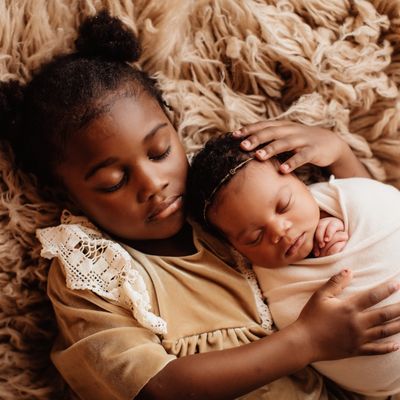
Sibling relationships are unique because they often represent a child’s longest-lasting social connections. From sharing toys to managing conflicts, siblings act as primary social influencers in a child’s life. Unlike parental relationships, which are typically based on authority and guidance, sibling interactions are rooted in more equal footing, offering children a space to develop essential life skills.
Siblings can teach each other how to navigate social norms, express emotions, and resolve conflicts, all of which are key components of building self-esteem. Positive sibling dynamics provide children with emotional validation and support, which helps them feel valued and competent.
Unique Aspects of Sibling Interactions
Sibling interactions differ from other relationships in several ways. For one, the frequent proximity of siblings means they spend more time together, both in cooperative and competitive situations. This closeness fosters strong emotional bonds, but it also leads to frequent conflicts, which can have varying effects on a child’s self-esteem.
Moreover, sibling relationships are not chosen, making them distinct from friendships or other social connections. Children must learn to adapt to and coexist with their siblings, regardless of differing personalities or interests. These interactions, particularly during childhood, contribute significantly to a child’s understanding of themselves and their place in the family structure.
Positive Influences of Sibling Dynamics on Self-Esteem
Emotional Support and Validation
Positive sibling relationships provide children with a sense of security and belonging, which is crucial for healthy self-esteem. When siblings are affectionate and supportive, they offer a safe space for children to express their emotions, fears, and insecurities without judgment. This emotional support can validate a child’s feelings and encourage them to develop confidence in themselves.
For instance, when siblings offer comfort during challenging situations, such as parental separation or difficulties at school, the child receiving support is more likely to feel cared for and understood. This validation reinforces the child’s sense of self-worth and fosters emotional resilience.
Learn more about building resilience and enhancing self-esteem.
Development of Social Skills
Siblings also play a critical role in helping each other develop essential social skills. Through daily interactions, children learn the importance of empathy, negotiation, and conflict resolution. These skills are foundational for building healthy self-esteem, as they allow children to navigate social situations with confidence.
Children who engage in cooperative play or shared activities with their siblings develop stronger communication skills and an increased ability to manage their emotions. These interactions help build a sense of competence, further bolstering a child’s self-esteem.
Positive Effects of Sibling Dynamics on Self-Esteem:
| Positive Dynamic | Impact on Self-Esteem |
|---|---|
| Emotional Support | Increases feelings of security and validation |
| Cooperative Play | Enhances communication and social skills |
| Conflict Resolution | Builds confidence in managing challenges |
| Shared Experiences | Strengthens a sense of belonging |

Negative Influences of Sibling Dynamics on Self-Esteem
Sibling Rivalry and Competition
While positive sibling interactions can support self-esteem, negative dynamics, such as sibling rivalry and competition, can have the opposite effect. Sibling rivalry is a common occurrence in many households, as children often compete for their parents’ attention, praise, or resources. When this rivalry becomes excessive, it can foster feelings of inadequacy or self-doubt.
Children who are constantly compared to their siblings may start to view themselves as less capable or worthy, especially if one sibling consistently outshines the other. This comparison-based rivalry can lead to diminished self-confidence and increased anxiety, as the child may feel pressure to live up to unrealistic expectations.
Discover how negative self-talk can erode self-esteem.
Birth Order Effects
The role of birth order has long been debated in terms of its impact on personality and self-esteem. While each child’s experience is unique, certain patterns have emerged in studies of birth order:
- Firstborns: Often seen as responsible and mature, but may feel the pressure to succeed and live up to high expectations. This can lead to perfectionism and anxiety.
- Middle Children: Sometimes feel overlooked, which may lead to feelings of inadequacy or a desire to stand out through rebellion or attention-seeking behavior.
- Youngest Children: Tend to be more carefree, but may struggle with independence and self-reliance as they are often viewed as “the baby” of the family.
These birth order stereotypes can shape how siblings perceive themselves within the family dynamic, influencing their self-esteem. For example, a firstborn who is expected to excel academically or athletically might feel immense pressure, while a middle child might develop a sense of inferiority if they believe their achievements are being overshadowed.
Birth Order and Self-Esteem:
| Birth Order | Common Traits | Potential Impact on Self-Esteem |
|---|---|---|
| Firstborn | Responsible, high achiever | Pressure to meet high expectations |
| Middle Child | Peacemaker, often feels overlooked | May struggle with feeling undervalued |
| Youngest | Carefree, often indulged | May struggle with independence and self-worth |
Strategies to Foster Healthy Sibling Relationships
Parental Guidance and Support
Parents play a critical role in shaping sibling dynamics and, by extension, their children’s self-esteem. It is essential for parents to model positive behavior and create a supportive environment that encourages cooperation and mutual respect. Here are a few ways parents can help foster healthy sibling relationships:
- Avoid Favoritism: Ensure that each child feels valued and appreciated for their unique qualities, rather than comparing them to their siblings.
- Encourage Teamwork: Create opportunities for siblings to work together on tasks or projects, fostering collaboration rather than competition.
- Manage Conflicts Fairly: When disputes arise, it’s important for parents to mediate without taking sides, helping children learn how to resolve conflicts peacefully.
Explore mindfulness practices that can improve stress and self-esteem in children.
Encouraging Cooperative Activities
One of the most effective ways to build strong sibling bonds is by encouraging cooperative activities that require teamwork and collaboration. Whether it’s through shared household responsibilities or group play, these activities can help siblings develop mutual respect and learn to rely on each other.
Suggestions for cooperative activities include:
- Board Games or Puzzles: Games that require teamwork rather than competition can strengthen the sibling bond and teach valuable communication skills.
- Shared Chores: Assigning joint tasks, such as cleaning or cooking, can help siblings learn how to collaborate and support one another.
- Outdoor Activities: Engaging in outdoor play, like building a fort or playing team sports, can encourage siblings to work together toward a common goal.
Learn more about therapy techniques for self-esteem enhancement.
Implications for Mental Health
Long-Term Effects of Sibling Dynamics on Mental Health
The influence of sibling dynamics doesn’t stop in childhood. The relationships formed with siblings during formative years can have long-term implications for mental health. Strong, supportive sibling relationships can serve as a protective factor against mental health challenges, providing a lifelong source of emotional support.
Conversely, negative sibling dynamics, such as chronic rivalry or lack of emotional connection, can increase the risk of mental health issues like depression, anxiety, and low self-esteem in adulthood. Children who grow up in environments where they feel constantly compared to their siblings may carry those feelings of inadequacy into their adult relationships and professional lives.
Conclusion
Sibling dynamics play a powerful role in shaping a child’s self-esteem. While positive interactions can build confidence and emotional resilience, negative dynamics like rivalry and constant comparison can damage self-worth. Parents and caregivers must be mindful of the sibling relationships they nurture, offering guidance, support, and opportunities for positive collaboration. By doing so, they can help ensure that these relationships foster a healthy sense of self-esteem and emotional well-being throughout a child’s life.
Sources: