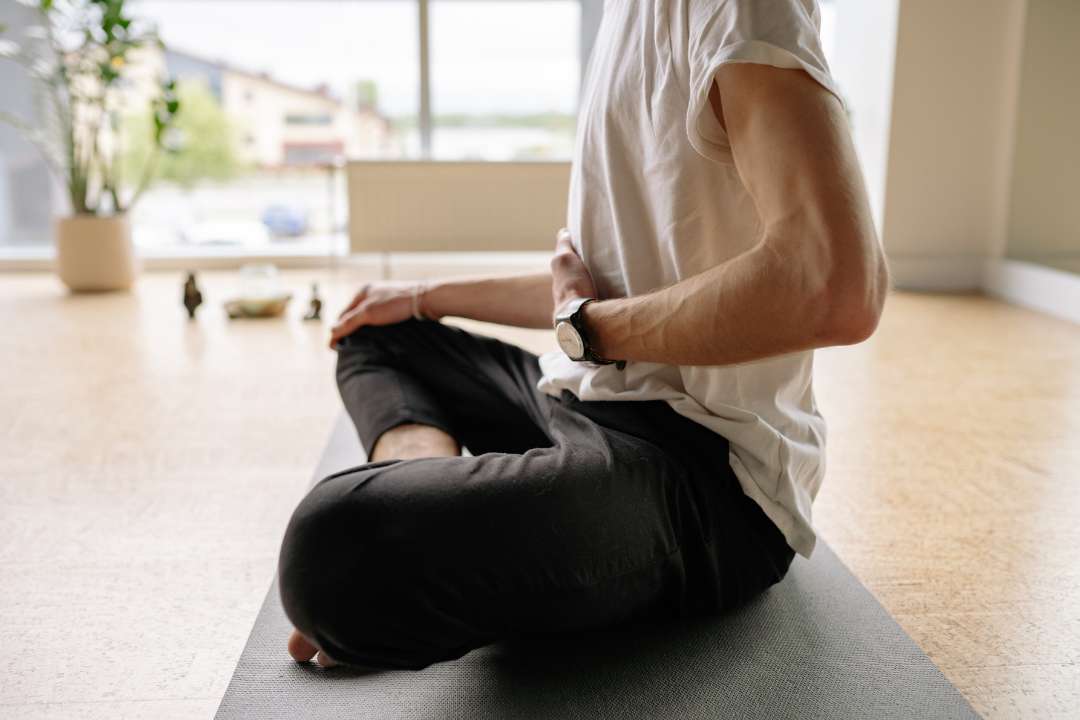

Life presents us with a variety of challenges that can quickly lead to stress, self-doubt, and even a decline in self-esteem. Whether it’s work pressure, personal setbacks, or daily frustrations, stress can undermine our confidence and sense of self-worth. However, learning how to use mindfulness to handle stress and maintain self-esteem can transform how we navigate difficult situations. Mindfulness encourages us to focus on the present moment and observe our thoughts without judgment, helping us develop healthier responses to stress and bolstering self-esteem in the process.
Understanding the Link Between Stress and Self-Esteem
Stress and self-esteem are closely connected. Prolonged stress can erode our sense of self-worth, leading to negative self-talk, feelings of inadequacy, and a lack of confidence. When we experience stress, our natural reaction is often to criticize ourselves or feel overwhelmed by the situation, which negatively impacts self-esteem.
Impact of Stress on Self-Esteem
Stress can make us question our abilities, leading to a vicious cycle of self-doubt. For example, failing to meet a deadline or handle a stressful situation at work can prompt thoughts like, “I’m not good enough” or “I can’t handle this.” These thoughts reinforce low self-esteem and make it harder to cope with future challenges.
Mindfulness offers an effective way to break this cycle. By becoming aware of our thoughts and emotions without judgment, we can stop self-criticism in its tracks and begin to view stressful situations with more clarity.
Key points:
- Stress leads to negative self-talk and low confidence.
- Mindfulness disrupts the pattern of self-criticism and allows us to approach situations calmly.
What is Mindfulness and How Does It Work?
Mindfulness is the practice of paying attention to the present moment with an attitude of openness and curiosity. Instead of being swept away by stress or negative thoughts, mindfulness encourages us to observe our feelings without judgment. This simple but powerful practice can help reduce stress and support the maintenance of self-esteem.
The Science Behind Mindfulness
Research shows that mindfulness affects the brain in ways that help manage stress and improve self-awareness. It lowers cortisol levels (the hormone associated with stress), increases emotional regulation, and boosts positive thinking. Mindfulness encourages us to recognize when we’re engaging in harmful self-talk, allowing us to gently steer our thoughts toward compassion and acceptance.
How Mindfulness Relates to Self-Esteem

Self-esteem often fluctuates based on external factors, but mindfulness can help create a more stable and resilient sense of self. By practicing mindfulness regularly, you learn to focus on your inherent worth rather than letting stressful situations dictate how you feel about yourself. Mindfulness encourages self-compassion, which is essential for maintaining self-esteem during difficult times.
`Benefits of Mindfulness for Stress and Self-Esteem
| Benefit | How It Affects Stress | How It Supports Self-Esteem |
|---|---|---|
| Reduces cortisol (stress hormone) | Lowers stress response | Promotes emotional resilience |
| Enhances emotional regulation | Helps stay calm under pressure | Encourages self-compassion |
| Encourages present-moment awareness | Breaks negative thought loops | Fosters self-acceptance |
Mindfulness Techniques for Managing Stress
Mindfulness isn’t just a concept—it’s a practice that can be incorporated into daily life to reduce stress and improve self-esteem. Below are some mindfulness techniques specifically designed to manage stress.
1. Deep Breathing for Immediate Stress Relief
Deep breathing is a simple yet powerful way to calm your nervous system. When you’re stressed, your body goes into “fight or flight” mode, which increases your heart rate and makes it hard to think clearly. Practicing deep breathing helps activate the body’s relaxation response, reducing anxiety and allowing you to regain control.
How to Practice Deep Breathing:
- Inhale deeply through your nose for a count of 4.
- Hold the breath for 4 seconds.
- Slowly exhale through your mouth for a count of 4.
- Repeat for 5-10 breaths, focusing on the sensation of air moving in and out of your lungs.
2. Body Scan Meditation to Reduce Tension
Body scan meditation involves paying attention to each part of your body, starting from your head and moving down to your toes. This practice helps release physical tension caused by stress and brings you into the present moment, reducing anxiety.
Steps for a Body Scan:
- Find a comfortable position, either sitting or lying down.
- Close your eyes and focus on your breathing.
- Start at the top of your head and slowly move your attention down your body.
- As you focus on each body part, notice any tension or discomfort and breathe into those areas.
- Finish by wiggling your toes and fingers to bring yourself back to full awareness.
3. Grounding Techniques to Stay Present
When stress feels overwhelming, grounding techniques can help you stay centered by focusing on your immediate environment. The 5-4-3-2-1 grounding method is particularly effective at bringing your awareness back to the present moment.
5-4-3-2-1 Grounding Exercise:
- Identify 5 things you can see.
- Identify 4 things you can touch.
- Identify 3 things you can hear.
- Identify 2 things you can smell.
- Identify 1 thing you can taste.
List: Simple Mindfulness Techniques for Stress Relief
- Deep Breathing: Focuses on calming the nervous system.
- Body Scan: Reduces physical tension and brings awareness to the body.
- 5-4-3-2-1 Grounding: Reorients your focus to the present moment.
How Mindfulness Supports and Maintains Self-Esteem
Beyond helping manage stress, mindfulness also plays a crucial role in maintaining and building self-esteem. Self-esteem is not a static trait but something that fluctuates based on our thoughts and experiences. Mindfulness allows us to observe and challenge negative beliefs about ourselves, fostering self-compassion and a more stable sense of worth.
1. Mindful Self-Compassion for a Positive Self-Image
Self-compassion is the practice of treating yourself with the same kindness and understanding that you would offer a friend. Mindfulness creates the space to notice when you’re being overly critical or harsh on yourself and helps you shift toward a more compassionate perspective. This shift is essential for maintaining a positive self-image, especially during stressful times when your self-esteem may take a hit.
2. Present-Moment Awareness and Self-Esteem
Often, our self-esteem suffers because we dwell on past mistakes or worry about future outcomes. Mindfulness helps bring your attention to the present, where you can engage in self-reflection without judgment. By focusing on the here and now, you reduce the tendency to compare yourself to others or feel inadequate based on past experiences.
Key points:
- Mindfulness helps reduce self-criticism and increases self-compassion.
- Staying present allows you to see yourself clearly and appreciate your strengths without external comparison.
Creating a Sustainable Mindfulness Routine for Stress and Self-Esteem

Incorporating mindfulness into your daily routine doesn’t have to be overwhelming. Start small and gradually build up your practice over time. Here are some tips for creating a mindfulness routine that helps manage stress and maintain self-esteem.
1. Start Small: 5-Minute Mindfulness Sessions
If you’re new to mindfulness, start with just five minutes a day. Whether you’re practicing deep breathing, doing a body scan, or simply sitting quietly, consistency is more important than the length of your sessions. As you get more comfortable, gradually increase the time you spend on mindfulness practices.
2. Mindfulness on the Go: Staying Centered During Stressful Moments
You don’t need to be sitting in a quiet room to practice mindfulness. Whether you’re stuck in traffic, waiting for a meeting, or feeling stressed at work, you can use quick mindfulness techniques like deep breathing or grounding exercises to stay calm and centered.
3. Use Tools to Support Your Practice
There are numerous tools available to help you build a consistent mindfulness practice. Apps like Headspace, Calm, or Insight Timer offer guided meditations, reminders, and progress trackers to keep you motivated.
List: Tools for Building a Daily Mindfulness Routine
- Meditation Apps: Use apps like Headspace or Calm to guide your practice.
- Mindfulness Reminders: Set reminders on your phone to pause and take a few mindful breaths during the day.
- Journaling: Keep a journal to reflect on how mindfulness is impacting your stress levels and self-esteem.
Conclusion
Mindfulness is a powerful tool for managing stress and maintaining self-esteem. By learning how to observe your thoughts and feelings without judgment, you can break free from the negative cycles that erode self-worth. Incorporating mindfulness into your daily life—whether through deep breathing, body scans, or grounding exercises—can help you stay centered during challenging times and maintain a healthy sense of self-esteem.
Are you ready to start incorporating mindfulness into your life? Begin with just five minutes a day, and watch as it transforms how you handle stress and how you feel about yourself.
How can you integrate mindfulness into your daily routine to support both your stress levels and self-esteem?