


Emotional regulation refers to the ability to manage and respond to emotional experiences in a balanced and healthy manner. This skill encompasses awareness of one’s emotions, understanding their triggers, and possessing the necessary tools to manage them effectively. Individuals with good emotional regulation can express their feelings appropriately according to the situation and recover more quickly from negative emotions.
Conversely, poor emotional regulation may result in outbursts of anger, anxiety, or depression, potentially negatively impacting relationships and overall well-being. A crucial component of emotional regulation is the ability to recognize and label emotions accurately. This involves identifying specific feelings and articulating them precisely.
For instance, rather than simply feeling “bad,” an individual might recognize that they are experiencing anxiety or frustration. This ability to label emotions can facilitate a better understanding of their causes and how to address them effectively. Another vital aspect of emotional regulation is the capacity to manage emotions in a healthy manner.
This may involve employing relaxation techniques such as deep breathing or meditation to alleviate stress or anxiety. Additionally, it may include finding constructive ways to express emotions, such as confiding in a friend or engaging in journaling.
To explore how emotional balance affects confidence, visit emotional regulation and self-confidence.
Key Takeaways
- Emotional regulation is the ability to manage and respond to emotions in a healthy and constructive way.
- Poor emotional regulation can negatively impact self-confidence and overall well-being.
- Techniques for improving emotional regulation include mindfulness, deep breathing, and cognitive restructuring.
- Building self-confidence through emotional regulation involves recognizing and challenging negative thought patterns.
- Overcoming obstacles in emotional regulation may require seeking professional help and practicing self-compassion and acceptance.
Recognizing the Impact of Emotional Regulation on Self-Confidence
Managing Anxiety and Taking Risks
Difficulty managing anxiety can hold you back from reaching your full potential. It can make it hard to take risks or try new things, which can lead to feelings of insecurity and self-doubt.
Handling Criticism and Setbacks
Good emotional regulation enables you to handle criticism and setbacks more effectively. This resilience helps you maintain a positive self-image and bounce back from challenges more easily.
The Consequences of Poor Emotional Regulation
On the other hand, struggling with emotional regulation can lead to feelings of overwhelm and erosion of self-confidence over time. Negative feedback or setbacks can have a lasting impact on how you perceive yourself and your abilities.
Learn more about managing stress to boost confidence.
Techniques for Improving Emotional Regulation
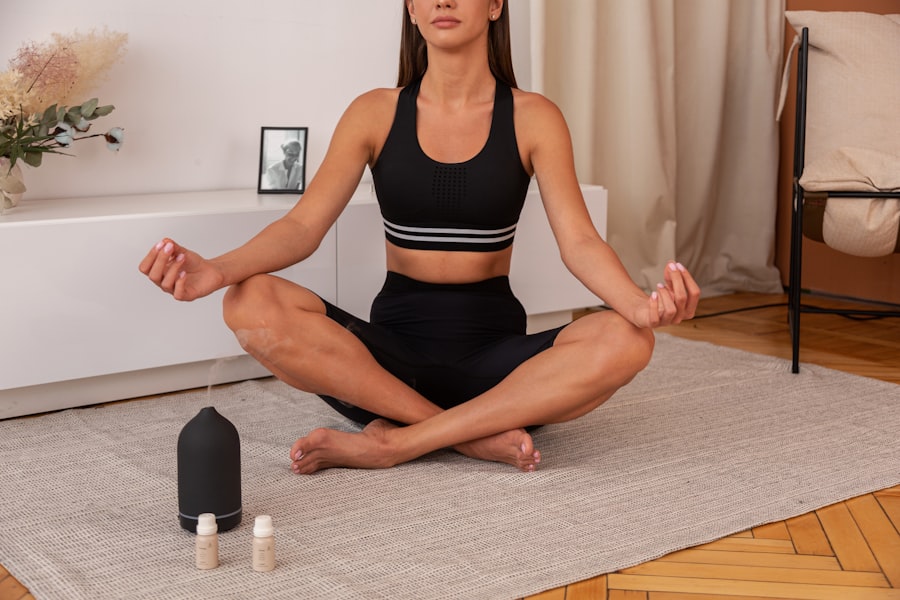
There are several techniques that can help improve emotional regulation. One effective technique is mindfulness meditation, which involves focusing on the present moment and observing your thoughts and feelings without judgment. This practice can help you become more aware of your emotions and develop the ability to respond to them in a more balanced way.
Another helpful technique is deep breathing exercises, which can help calm the body’s stress response and bring about a sense of relaxation. By practicing deep breathing regularly, you can train your body to respond more calmly to stressful situations. Additionally, cognitive-behavioral therapy (CBT) can be an effective tool for improving emotional regulation.
CBT helps individuals identify and change negative thought patterns that contribute to emotional dysregulation. By challenging these thoughts and replacing them with more balanced and realistic ones, individuals can learn to manage their emotions more effectively. Finally, engaging in regular physical activity can also help improve emotional regulation.
Exercise has been shown to release endorphins, which are natural mood lifters, and can help reduce stress and anxiety.
Building Self-Confidence through Emotional Regulation
Building self-confidence through emotional regulation involves developing the skills to manage your emotions in a healthy way and cultivating a positive self-image. When you are able to regulate your emotions effectively, you are better equipped to handle challenges and setbacks, which can lead to a greater sense of self-assurance. Additionally, when you have good emotional regulation, you are better able to engage in positive self-talk and challenge negative beliefs about yourself, which can help boost your self-confidence.
Furthermore, when you have good emotional regulation, you are better able to engage in activities that promote self-care and well-being, such as exercise, socializing with friends, and pursuing hobbies. These activities can help boost your mood and overall sense of well-being, which can contribute to greater self-confidence. Overall, building self-confidence through emotional regulation involves developing the skills to manage your emotions effectively and engaging in activities that promote a positive self-image.
Explore how mindfulness techniques improve self-esteem.
Overcoming Obstacles in Emotional Regulation
There are several common obstacles that can make it difficult to regulate emotions effectively. One common obstacle is a lack of awareness of one’s emotions. Many people have difficulty identifying what they are feeling or struggle to put their emotions into words.
This lack of awareness can make it challenging to regulate emotions effectively because it is hard to address something that is not fully understood. Another common obstacle is difficulty managing intense emotions. Some individuals may become overwhelmed by strong emotions such as anger or anxiety and struggle to calm themselves down.
This can lead to outbursts or other unhealthy coping mechanisms. Additionally, past trauma or unresolved issues can also make it difficult to regulate emotions effectively. Individuals who have experienced trauma may have heightened emotional responses or struggle with trust and safety, making it challenging to regulate their emotions in a healthy way.
Discover the role of movement in emotional and mental well-being.
Practicing Self-Compassion and Acceptance

What is Self-Compassion?
Self-compassion involves treating yourself with kindness and understanding when you are struggling with difficult emotions. Instead of being self-critical or judgmental, self-compassion involves offering yourself the same kindness and support that you would offer a friend in a similar situation.
The Benefits of Self-Compassion
This can help reduce feelings of shame or inadequacy and promote a more balanced emotional response. By practicing self-compassion, you can create a more supportive and nurturing environment within yourself, which can lead to improved emotional regulation.
Practicing Acceptance
Additionally, practicing acceptance involves acknowledging and validating your emotions without judgment. Instead of trying to suppress or ignore difficult emotions, acceptance involves allowing yourself to feel what you feel without trying to change it. This can help reduce inner conflict and promote a greater sense of peace and well-being.
For more on addressing emotional challenges, read about overcoming self-doubt and negative thought patterns.
Seeking Professional Help for Emotional Regulation Issues
If you are struggling with emotional regulation, it may be helpful to seek professional help from a therapist or counselor. A mental health professional can provide support and guidance as you work on improving your emotional regulation skills. They can help you identify patterns in your emotions and behaviors and develop strategies for managing them more effectively.
Therapy can also provide a safe space for exploring past trauma or unresolved issues that may be impacting your ability to regulate emotions. Additionally, a therapist can teach you specific techniques for improving emotional regulation, such as mindfulness meditation or cognitive-behavioral therapy. Overall, seeking professional help for emotional regulation issues can provide valuable support and guidance as you work towards greater emotional balance and well-being.
Learn how body self-care practices contribute to self-esteem.
Conclusion
Strong emotional regulation is key to boosting self-confidence. By practicing mindfulness, engaging in self-care, and challenging negative beliefs, you can develop the skills needed to navigate challenges and maintain a positive self-image. Whether through daily techniques or professional support, fostering emotional regulation leads to greater resilience and confidence in all areas of life.
Begin your journey toward better emotional health and self-assurance today by integrating these practices into your routine.


