
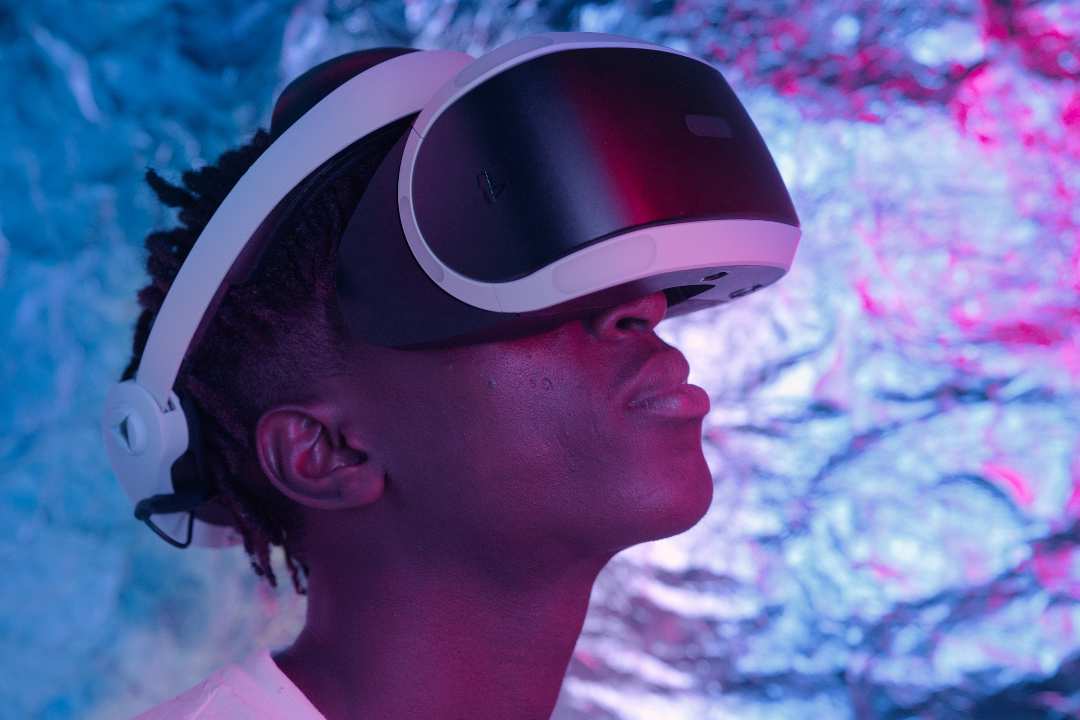

Visualization is a cognitive process that involves creating mental representations of objects, scenarios, or desired outcomes. This technique harnesses the power of imagination to construct detailed and vivid mental images. It is widely applied in various domains, including athletics, business, and personal growth, as a method to enhance performance and achieve goals.
The underlying principle of visualization is the interconnectedness of mind and body, suggesting that mental imagery can influence thoughts, emotions, and behaviors to align with the visualized outcome. Visualization can be practiced through various methods, such as mental imagery exercises, guided meditation sessions, and positive affirmations. It serves as an effective tool for goal-setting, overcoming challenges, and boosting self-confidence.
By mentally rehearsing success, individuals can condition their minds to believe in their capabilities and take appropriate actions to realize their visions. Examples of visualization applications include mentally preparing for a job interview, envisioning athletic achievements, or rehearsing a public speaking engagement. This technique enables individuals to access their full potential and optimize their performance in various situations.
Key Takeaways
- Visualization is the practice of creating mental images to achieve a desired outcome or goal.
- Visualization can boost self-confidence by helping individuals envision success and build a positive self-image.
- The science behind visualization shows that it can impact the brain by activating the same neural pathways as actually performing the imagined actions.
- Techniques for effective visualization include using all five senses, being specific, and practicing regularly.
- Real-life success stories show how individuals have used visualization to overcome challenges and achieve their goals, boosting their self-confidence in the process.
- Incorporating visualization into daily routines and practices can be done through meditation, affirmations, and creating vision boards.
- Tips for maintaining a positive mindset through visualization include staying consistent, being patient, and focusing on the present moment.
How visualization can boost self-confidence
Building a Positive Self-Image
Visualization is a powerful tool for boosting self-confidence and belief in oneself. When individuals visualize themselves succeeding, they are able to build a positive self-image and develop a strong sense of self-assurance. By repeatedly visualizing success, individuals can rewire their brains to focus on their strengths and capabilities, rather than their limitations or fears.
Overcoming Self-Doubt and Negative Self-Talk
This can lead to increased self-esteem and a greater sense of empowerment. Furthermore, visualization can help individuals overcome self-doubt and negative self-talk. By consistently picturing themselves achieving their goals, individuals can silence their inner critic and replace it with a more positive and encouraging inner dialogue.
Mental Rehearsal for Challenging Situations
This shift in mindset can have a profound impact on one’s confidence and overall well-being. Additionally, visualization can help individuals mentally rehearse challenging situations, such as public speaking or performing under pressure, which can help reduce anxiety and boost confidence when facing these situations in real life.
Cultivating Belief in Oneself
In summary, visualization is a powerful tool for boosting self-confidence by helping individuals build a positive self-image, overcome self-doubt, and mentally rehearse challenging situations. By harnessing the power of visualization, individuals can cultivate a strong sense of belief in themselves and their abilities, leading to greater success and fulfillment in various areas of life.
The science behind visualization and its impact on the brain

The practice of visualization has been studied extensively by neuroscientists, who have uncovered the science behind its impact on the brain. When individuals engage in visualization, the same neural pathways are activated as when they are actually performing the imagined activity. This means that the brain cannot distinguish between a real experience and one that is vividly imagined.
As a result, visualization can have a profound impact on the brain’s neural networks, leading to changes in behavior, emotions, and beliefs. Furthermore, visualization has been shown to activate the brain’s reward system, releasing dopamine and other feel-good neurotransmitters. This can lead to increased motivation, focus, and confidence, as well as a greater sense of pleasure and satisfaction.
Additionally, visualization has been found to reduce activity in the brain’s fear center, the amygdala, which can help individuals overcome anxiety and self-doubt. In summary, the science behind visualization reveals that it has a powerful impact on the brain’s neural pathways, reward system, and fear center. By engaging in visualization, individuals can rewire their brains to focus on success, boost motivation and confidence, and reduce anxiety and self-doubt.
Techniques for effective visualization
| Technique | Description |
|---|---|
| Use of color | Applying a color scheme to highlight important data points and differentiate between categories. |
| Data labeling | Adding clear and concise labels to data points to provide context and aid understanding. |
| Consistent scale | Ensuring that the scale used in the visualization is consistent to accurately represent the data. |
| Visualization type | Choosing the appropriate visualization type (e.g. bar chart, line graph, pie chart) based on the data being presented. |
| Whitespace | Using whitespace effectively to reduce clutter and improve readability of the visualization. |
There are several techniques that can help individuals engage in effective visualization to boost self-confidence and achieve their goals. One popular technique is to create a mental movie of the desired outcome or goal. This involves picturing oneself in a specific situation, such as giving a successful presentation or winning a competition, and imagining all the details of the experience, including sights, sounds, and emotions.
By making the mental image as vivid and detailed as possible, individuals can enhance the effectiveness of their visualization practice. Another technique is to use positive affirmations during visualization. Affirmations are positive statements that individuals repeat to themselves to reinforce a desired belief or outcome.
By incorporating affirmations into their visualization practice, individuals can further strengthen their belief in themselves and their abilities. For example, during visualization, individuals can repeat affirmations such as “I am confident and capable” or “I am successful in all that I do” to reinforce positive beliefs about themselves. In addition, guided meditation can be a helpful technique for effective visualization.
Guided meditation involves listening to a recorded script or audio that guides individuals through a visualization exercise. This can be especially beneficial for those who are new to visualization or struggle to maintain focus during the practice. By following along with a guided meditation, individuals can relax their minds and immerse themselves in the visualization process more effectively.
In summary, there are several techniques for effective visualization, including creating a mental movie, using positive affirmations, and practicing guided meditation. By incorporating these techniques into their visualization practice, individuals can enhance the effectiveness of their visualizations and boost their self-confidence.
Real-life success stories of individuals who have used visualization to boost self-confidence
There are countless real-life success stories of individuals who have used visualization to boost their self-confidence and achieve their goals. One notable example is that of Olympic athletes who use visualization as part of their training regimen. Many athletes have reported using visualization to mentally rehearse their performances before competitions, which has helped them improve their focus, confidence, and overall performance.
For example, Michael Phelps, the most decorated Olympian of all time, has credited visualization as a key factor in his success, stating that he would visualize every detail of his races before diving into the pool. In addition to athletes, many successful business leaders have also used visualization to achieve their goals. For instance, Oprah Winfrey has spoken about how she used visualization to envision her success long before it became a reality.
By consistently visualizing herself as a successful talk show host and media mogul, Oprah was able to build the confidence and determination needed to turn her vision into reality. Furthermore, there are numerous personal accounts of individuals who have used visualization to overcome challenges and achieve personal growth. From overcoming stage fright to conquering fears of public speaking, many people have used visualization to boost their self-confidence and achieve success in various areas of their lives.
In summary, there are many real-life success stories of individuals who have used visualization to boost their self-confidence and achieve their goals. From Olympic athletes to business leaders to everyday people facing personal challenges, visualization has proven to be a powerful tool for building confidence and achieving success.
Incorporating visualization into daily routines and practices

Make Visualization a Daily Habit
One way to do this is by setting aside dedicated time each day for visualization exercises. This could involve spending a few minutes in the morning or before bed visualizing one’s goals and desired outcomes.
Use Visual Reminders to Stay Focused
By making visualization a regular part of one’s routine, individuals can reinforce positive beliefs about themselves and stay focused on their aspirations. Another way to incorporate visualization into daily routines is by using visual reminders or cues throughout the day. This could involve placing visual representations of one’s goals or aspirations in prominent places where they will be seen frequently.
Combine Visualization with Mindfulness Practices
For example, individuals could create vision boards with images and quotes that represent their desired outcomes and display them in their home or office as a constant reminder of what they are working towards. Additionally, incorporating mindfulness practices such as deep breathing or meditation alongside visualization can help individuals relax their minds and enhance the effectiveness of their visualizations. By combining these practices, individuals can create a calm and focused state of mind that is conducive to effective visualization.
Unlock the Power of Visualization
In summary, incorporating visualization into daily routines and practices can help individuals stay focused on their goals and boost their self-confidence. By setting aside dedicated time for visualization exercises, using visual reminders or cues throughout the day, and combining mindfulness practices with visualization, individuals can make the most of this powerful technique.
Tips for maintaining a positive mindset through visualization
Maintaining a positive mindset through visualization involves cultivating an optimistic outlook on life and consistently reinforcing positive beliefs about oneself. One tip for maintaining a positive mindset through visualization is to focus on gratitude during the practice. By incorporating gratitude into visualizations, individuals can shift their focus from what they lack to what they already have, which can help cultivate a more positive and abundant mindset.
Another tip is to use visualization as a tool for problem-solving and overcoming obstacles. When faced with challenges or setbacks, individuals can use visualization to imagine themselves finding creative solutions and overcoming obstacles with confidence and ease. By consistently visualizing themselves successfully navigating challenges, individuals can build resilience and maintain a positive mindset even in difficult circumstances.
Furthermore, it’s important for individuals to be consistent with their visualization practice in order to maintain a positive mindset over time. By making visualization a regular part of their routine and staying committed to the practice even when faced with doubts or distractions, individuals can reinforce positive beliefs about themselves and stay focused on their goals. In summary, maintaining a positive mindset through visualization involves focusing on gratitude, using visualization for problem-solving, and staying consistent with the practice over time.
By incorporating these tips into their visualization practice, individuals can cultivate a more positive outlook on life and boost their self-confidence.
If you’re interested in learning more about how to boost your self-esteem, check out this article on signs of low self-esteem. Understanding the signs and symptoms of low self-esteem can be the first step in making positive changes in your life. By recognizing these signs, you can begin to take the necessary steps to improve your self-confidence and overall well-being.


