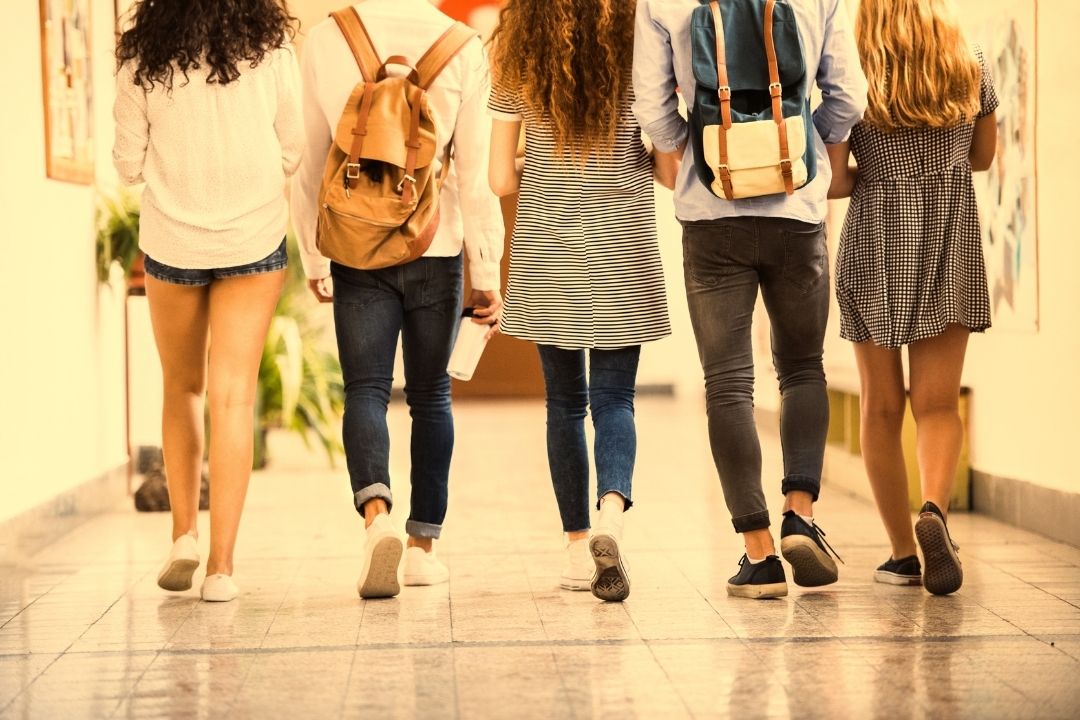

The teenage years are a whirlwind of change, and while teenagers are busy navigating new social norms, academics, and extracurriculars, their self-esteem is quietly taking shape. School environments play a significant role in this process. From the relationships teens form with peers to how teachers interact with them, these experiences can either nurture their confidence or cause it to crumble. So, how exactly does the school environment impact self-esteem, and what can we do to create positive outcomes? Let’s explore the fascinating connection between schools and self-worth.
The Connection Between School Environments and Self-Esteem
Self-esteem in adolescence is like a delicate plant—it needs the right mix of sunlight (positive experiences) and water (encouragement) to grow. Schools are often the primary environment where teens spend their time, making them a critical space for self-esteem development. When teenagers feel valued and supported at school, it reinforces their sense of self-worth. However, a hostile or unsupportive environment can lead to low self-esteem in teens, affecting their mental health and academic performance.
For example, imagine a student consistently praised for their efforts in a subject. This positive reinforcement helps them associate effort with achievement, boosting their confidence. On the flip side, a teen who faces bullying or feels ignored in class may start to internalize feelings of inadequacy. If you’re curious about the neuroscience behind self-esteem in this age group, check out Neuroscience of Self-Esteem in Adolescents.
Factors in School That Impact Teenagers’ Self-Esteem
Peer Relationships
Peer relationships are the social glue of adolescence. Teens often define their self-worth through the acceptance or rejection they experience from peers. Positive friendships foster belonging and confidence, while exclusion, teasing, or bullying can severely harm self-esteem.
- Positive Impact: Being part of a friend group that values inclusivity can help teens feel seen and accepted.
- Negative Impact: Bullying or social exclusion can lead to feelings of loneliness and low self-esteem in teens.
Creating opportunities for collaborative activities in schools, such as group projects or team sports, can encourage positive peer interactions and build social confidence.

Teacher Support and Encouragement
Teachers play an influential role in shaping teenagers’ self-esteem. A teacher who recognizes a student’s potential and provides constructive feedback can help build self-confidence. Conversely, a lack of encouragement or overly critical feedback may discourage students and diminish their sense of self-worth.
- Positive Teacher Behaviors:
- Offering praise for effort, not just results.
- Showing patience and understanding in challenging situations.
- Encouraging open communication and active participation.
- Negative Teacher Behaviors:
- Overemphasizing grades without acknowledging effort.
- Publicly singling out students for mistakes.
For more strategies to support self-worth in educational settings, explore Techniques for Low Self-Esteem.
Academic Performance
Academic success—or the lack thereof—often affects how teenagers view themselves. Achieving good grades can build confidence, but constant academic struggles may lead teens to feel like they’re not capable or intelligent enough. This perception can snowball into a fixed mindset, where they stop trying to improve because they don’t believe their efforts will make a difference.
Encouraging a growth mindset can counteract this effect. For instance, teaching students that intelligence and skills can be developed through practice helps them see challenges as opportunities to grow rather than as threats to their self-worth.
| Factor | Positive Impact | Negative Impact |
|---|---|---|
| Peer Relationships | Fosters belonging and confidence | Leads to exclusion and loneliness |
| Teacher Support | Builds self-worth through encouragement | Diminishes self-esteem with criticism |
| Academic Performance | Reinforces self-confidence with success | Creates self-doubt during struggles |
Strategies for Schools to Foster Self-Esteem

Schools have a unique opportunity to create environments that actively boost self-esteem in teenagers. Here are some actionable strategies:
- Implement Positive Reinforcement Techniques
Celebrate effort and improvement, not just outcomes. This helps teens focus on their growth rather than fixating on perfection. - Promote Anti-Bullying Campaigns
Safe environments foster confidence. Anti-bullying programs and peer support systems can help students feel secure and valued. - Encourage Growth Mindsets
Teaching students to embrace challenges and view mistakes as learning opportunities reinforces resilience and confidence. - Provide Mental Health Resources
Access to counselors or peer support groups ensures students have a safe space to address their concerns.
For more insights into how family dynamics intersect with school experiences, visit Family Dynamics in Self-Esteem.
Role of Parents and Guardians in School-Based Self-Esteem
Parents and guardians are essential allies in fostering self-esteem. By collaborating with schools, parents can ensure that their children feel supported both at home and in the classroom. Here’s how they can contribute:
- Stay involved in their child’s education by attending school events and maintaining communication with teachers.
- Encourage open conversations about challenges their teen may face in school.
- Reinforce the idea that effort is just as important as results, helping their child develop a growth mindset.
Parents who actively participate in their child’s educational journey send a clear message: “Your worth is not defined by your challenges but by your ability to overcome them.”
What is one change you think schools could implement today to create a more positive environment for teenagers to build their self-esteem?
Conclusion
School environments are more than just places for academic learning; they’re critical spaces where teenagers’ self-esteem is shaped. By fostering positive peer relationships, encouraging teacher support, and creating opportunities for personal growth, schools can help students build lasting confidence. Parents, teachers, and school administrators all play a vital role in ensuring that teens develop a healthy sense of self-worth. With intentional strategies, we can turn schools into empowering spaces where every teenager feels valued and capable.