
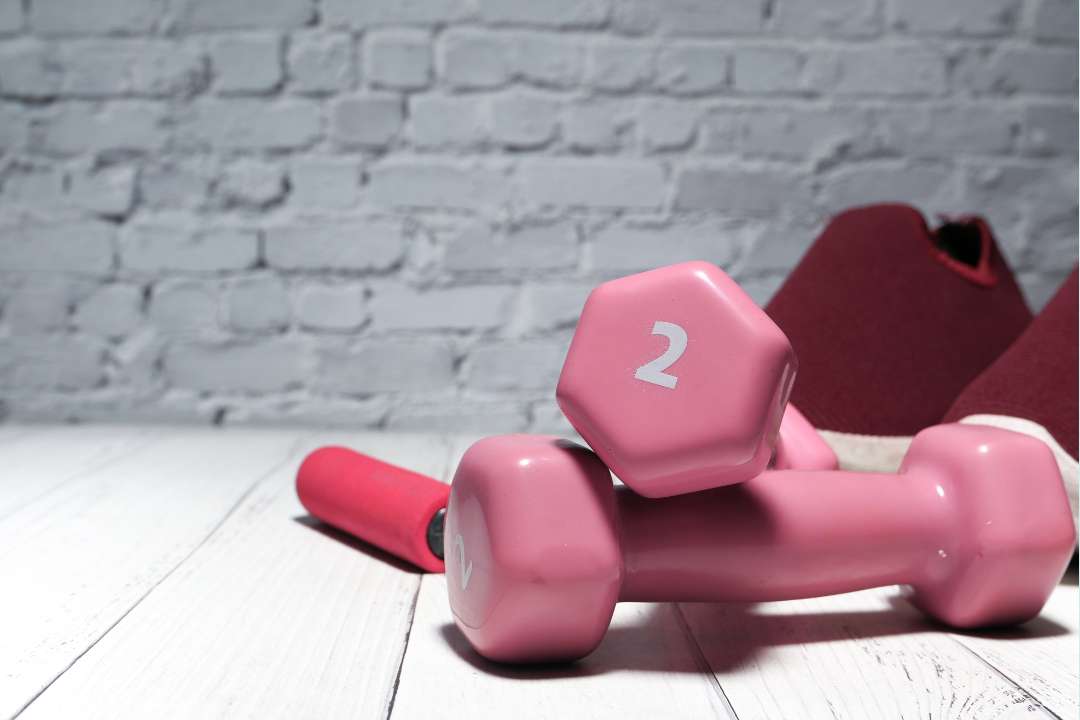

Starting an exercise routine can be daunting, especially when low self-esteem is in the way. Many people know that exercise benefits both the body and mind, yet feelings of inadequacy, fear of judgment, or self-doubt often hold them back from taking the first step. If low self-esteem is stopping you from starting your fitness journey, you are not alone, and there are ways to overcome these barriers.
Understanding the Connection Between Exercise and Self-Esteem
Exercise has long been recognized as a powerful tool for improving mental health. Regular physical activity not only strengthens the body but also boosts mood, reduces stress, and improves self-image. For those struggling with low self-esteem, starting an exercise routine can be particularly beneficial. However, low self-esteem can make the idea of exercising feel overwhelming.
How Exercise Boosts Mental Well-Being and Self-Esteem:
- Boosts Mood: Physical activity releases endorphins, often referred to as “feel-good” hormones. These help reduce anxiety and depression, leading to an improved emotional state.
- Improves Self-Image: Exercise can enhance how you feel about your body, which directly influences self-esteem.
- Reduces Stress: Exercise helps lower cortisol levels, the stress hormone, making it easier to manage daily pressures.
How Low Self-Esteem Creates Barriers to Starting Exercise
While the benefits of exercise are well-documented, low self-esteem can create significant mental barriers that make it hard to begin. People with low self-esteem often struggle with negative thoughts about their abilities, appearance, or fear of being judged by others, especially in public exercise environments like gyms.
Common Barriers Created by Low Self-Esteem:
- Fear of Judgment: Many people worry that others will judge their fitness level or appearance, making them hesitant to exercise in public spaces.
- Feeling Inadequate: Low self-esteem often leads to the belief that you’re not “fit enough” to start exercising, resulting in procrastination or avoidance.
- Comparing Yourself to Others: Social comparison can lead to discouragement, especially when you perceive others as fitter or more capable.
Common Barriers to Starting Exercise Due to Low Self-Esteem
| Barrier | How It Affects Motivation |
|---|---|
| Fear of Judgment | Avoiding exercise in public due to fear of being judged |
| Feeling Inadequate | Belief that current fitness level is too low to start |
| Comparison with Others | Discouragement from comparing oneself to fitter people |
Overcoming Mental Blocks: Strategies to Start Exercising with Low Self-Esteem
Recognizing the barriers created by low self-esteem is the first step toward overcoming them. The good news is that there are several strategies to help you break free from these mental blocks and get started on your fitness journey.

1. Start Small and Set Achievable Goals
- Starting with small, manageable goals can make exercise less intimidating. Whether it’s a 10-minute walk or a brief home workout, small successes build confidence over time.
- Tip: Begin with short, low-pressure activities and gradually increase the intensity and duration as you feel more comfortable.
2. Focus on Personal Progress, Not Perfection
- It’s easy to fall into the trap of perfectionism, where you feel you need to be at your best right away. Instead, focus on gradual progress, and celebrate small wins along the way.
- Tip: Keep a journal to track your achievements, whether it’s walking for an extra 5 minutes or trying a new workout. This helps shift the focus from comparison to personal growth.
3. Choose Activities You Enjoy
- You’re more likely to stick with exercise if you enjoy it. Experiment with different activities until you find something that brings you joy, whether it’s dancing, swimming, or yoga.
- Tip: Don’t force yourself to do exercises you hate. Make it fun! Enjoyable activities will keep you motivated and consistent.
4. Use Positive Affirmations to Shift Your Mindset
- Negative self-talk is a common symptom of low self-esteem, but you can counter it by practicing positive affirmations. These are simple, empowering statements that help change how you think about yourself and your abilities.
- Tip: Write down a few affirmations, such as “I am capable of improving my fitness” or “Every small step counts.” Repeat them before or during your workout to boost your confidence.
Strategies to Start Exercising Despite Low Self-Esteem
| Strategy | How It Helps Overcome Mental Blocks |
|---|---|
| Start Small | Builds confidence gradually without overwhelming stress |
| Focus on Progress, Not Perfection | Encourages self-compassion and reduces self-criticism |
| Choose Enjoyable Activities | Maintains motivation by making exercise fun |
| Use Positive Affirmations | Replaces negative self-talk with empowering statements |
How to Build Confidence Through Exercise
As you start incorporating exercise into your routine, you’ll begin to see improvements not only in your physical health but also in your self-esteem. Confidence doesn’t happen overnight, but every workout you complete builds on the one before it, helping you develop a sense of achievement and personal growth.
Confidence-Boosting Benefits of Exercise:
- Physical Improvements: As your fitness level improves, you’ll start feeling stronger and more capable, which naturally enhances self-esteem.
- Mental Toughness: Regular exercise builds mental resilience. Each time you push through a tough workout, you reinforce the belief that you can handle challenges, both physically and mentally.
- Increased Energy and Focus: Exercise increases energy levels and improves mental clarity, making you feel more in control of your day-to-day life.
Have you struggled with starting an exercise routine because of low self-esteem? What strategies do you think would help you overcome those barriers and take the first step?
Building a Support System for Accountability and Motivation
Having a support system can make a world of difference when you’re starting an exercise routine. Friends, family, or even online communities can provide encouragement, accountability, and motivation, helping you stay consistent when low self-esteem makes you doubt your progress.
Tips for Building a Support System:
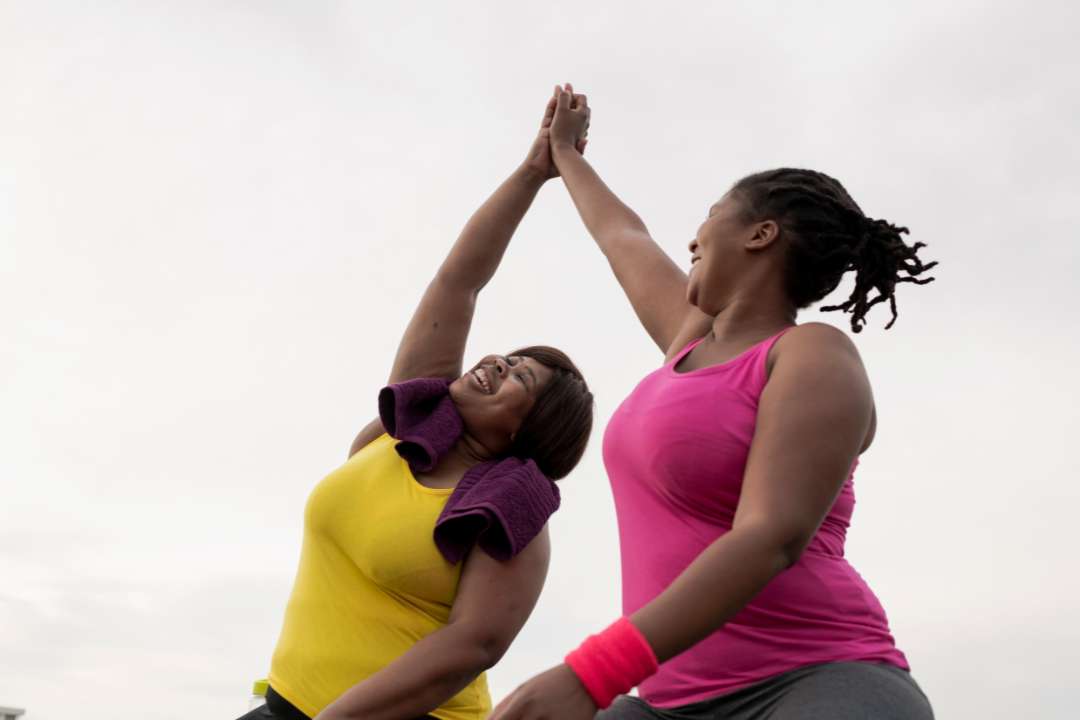
- Workout with a Friend: Exercising with a friend can make the experience more enjoyable and less intimidating, reducing the fear of judgment.
- Join a Fitness Class or Group: Whether it’s in-person or online, group fitness classes provide a sense of community and accountability. Being surrounded by others on similar fitness journeys can boost motivation.
- Share Your Journey: Consider sharing your fitness journey on social media or through a fitness app. Positive reinforcement from others can help keep you motivated and celebrate your wins, no matter how small.
The Long-Term Benefits of Overcoming Low Self-Esteem Through Exercise
When you make exercise a regular part of your routine, the benefits extend far beyond the physical. Over time, you’ll notice improvements in how you view yourself and how you respond to challenges. Exercise becomes a tool for both physical and mental growth, empowering you to tackle obstacles with a stronger sense of self-worth.
Long-Term Benefits of Exercise:
- Sustained Confidence: Regular exercise fosters a positive self-image and builds long-term confidence. As you meet your fitness goals, you’ll develop a greater belief in your abilities.
- Emotional Balance: Physical activity helps regulate emotions and reduce stress, creating a sense of emotional stability.
- Improved Self-Worth: Consistent exercise teaches you that you’re capable of achieving your goals, reinforcing a strong sense of self-worth and pride.
Conclusion: Exercise as a Tool to Overcome Low Self-Esteem
Low self-esteem can make it difficult to start exercising, but by breaking the process into small, manageable steps and focusing on personal growth rather than comparison, you can overcome these mental blocks. Exercise is not just a physical activity—it’s a tool for building confidence, mental resilience, and a healthier relationship with yourself. Whether it’s through small achievements or finding activities you love, starting an exercise routine can be the first step toward improving your self-esteem and overall well-being.


