
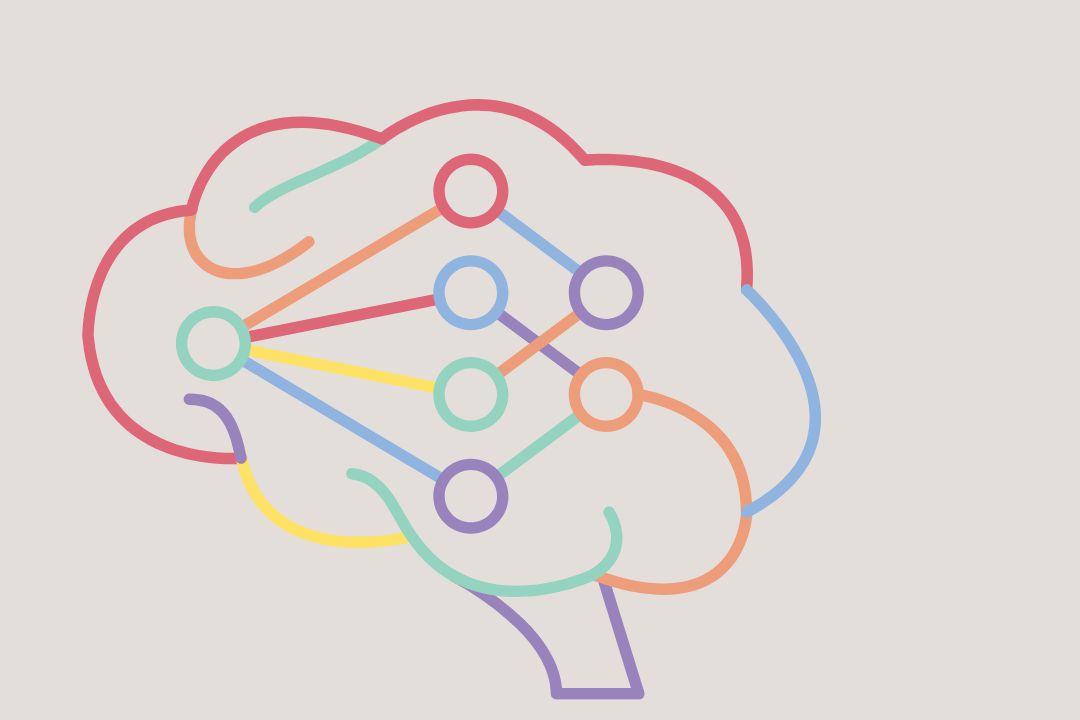

Self-esteem and self-worth are more than just how we feel about ourselves on a surface level—they are deeply influenced by the very structure of our brains. Neural pathways, the connections between neurons, shape our thoughts, behaviors, and ultimately, our self-perception. The good news? These pathways can be rewired, meaning your self-esteem isn’t set in stone.
In this article, we’ll dive into the science behind neural pathways, how they impact self-esteem, and what you can do to reshape them for a more positive sense of self-worth.
Understanding Neural Pathways and Brain Plasticity

What Are Neural Pathways?
Neural pathways are the roads that connect neurons in your brain. These roads form through repetition—when you think a thought or perform an action over and over, the pathway becomes stronger. This process helps the brain become more efficient, but it can also reinforce negative self-perceptions if those thoughts dominate your mind.
For example, if you constantly tell yourself, “I’m not good enough,” that thought becomes an automatic reflex. The more you repeat it, the more ingrained it becomes in your neural circuitry.
Neuroplasticity: The Brain’s Ability to Change
Your brain is not fixed—it has the remarkable ability to rewire itself. This ability is known as neuroplasticity, and it’s one of the most powerful concepts in neuroscience. Essentially, neuroplasticity allows you to break negative thought patterns and replace them with more empowering ones.
Through consistent effort, you can weaken the pathways that fuel low self-esteem and strengthen those that support a healthier self-worth.
The Formation of Self-Esteem Through Early Experiences
Childhood and Early Neural Pathways
The neural pathways that shape your self-esteem begin forming early in life. Experiences during childhood—such as praise, criticism, or neglect—play a huge role in wiring the brain for either healthy or low self-esteem. Positive feedback during this stage helps create strong, positive neural connections. On the other hand, constant criticism or a lack of nurturing can result in the development of negative pathways that erode self-worth.
For instance, children who grow up with supportive parents or mentors are more likely to develop neural pathways that reinforce the belief that they are worthy of love and success. Conversely, children who experience neglect or harsh criticism often form pathways that support thoughts like “I’m not good enough.”
| Positive Reinforcement | Impact on Neural Pathways |
|---|---|
| Encouragement | Strengthens self-worth pathways |
| Criticism | Reinforces negative beliefs about self |
How Negative Thought Patterns Take Hold
Negative thought patterns, such as “I’m a failure” or “I never do anything right,” can take root in the brain early and become reinforced through repetition. When such thoughts are repeated often enough, the brain automatically defaults to them in stressful or challenging situations.
This process forms a feedback loop: The more you engage with negative self-talk, the stronger the associated neural pathway becomes, making it harder to break free from low self-esteem. If left unchallenged, these pathways can dominate your self-perception, trapping you in a cycle of self-doubt.
Learn more about how childhood experiences shape self-esteem and how you can work through them in adulthood.
Breaking Negative Neural Pathways and Rebuilding Self-Esteem

How Negative Pathways Can Be Rewired
Just as negative neural pathways are formed through repetition, they can be undone by consistently engaging in positive thoughts and actions. Cognitive-behavioral therapy (CBT) is one of the most effective tools for rewiring the brain. CBT helps individuals identify their negative thought patterns and actively work to replace them with healthier alternatives.
For example:
- Step 1: Identify Negative Thoughts: “I never do anything right.”
- Step 2: Challenge the Thought: “Is this really true? What about the times I succeeded?”
- Step 3: Replace the Thought: “I’m capable of success and learning from my mistakes.”
By practicing these steps, you can begin to weaken the neural pathways associated with negative self-talk and build stronger pathways rooted in self-worth and confidence.
Practical Strategies for Rewiring Your Brain
Rewiring your brain to strengthen self-esteem requires consistent practice. Here are a few effective strategies:
- Gratitude Journaling: Daily journaling about things you’re grateful for helps reinforce positive thinking.
- Positive Affirmations: Repeating affirmations like “I am enough” or “I deserve love” weakens negative pathways over time.
- Behavioral Activation: Engaging in activities that bring you joy or a sense of accomplishment helps establish new, positive neural connections.
| Daily Practice | Impact on Neural Pathways |
|---|---|
| Gratitude Journaling | Strengthens positive thought pathways |
| Repeating Positive Affirmations | Builds pathways associated with self-worth and confidence |
| Engaging in Enjoyable Activities | Reinforces pleasure and accomplishment pathways |
Explore how CBT techniques can help rebuild self-esteem and develop a more positive outlook on life.
The Role of Positive Reinforcement and Self-Worth
How Positive Reinforcement Strengthens Neural Pathways
Positive reinforcement plays a key role in shaping self-esteem. Every time you acknowledge your achievements, no matter how small, you reinforce the neural pathways that boost your confidence and self-worth. This is why it’s so important to celebrate even minor successes.
Examples of positive reinforcement include:
- Giving yourself credit when you accomplish something.
- Surrounding yourself with people who uplift and support you.
- Writing down your wins to remind yourself of your strengths.
Internal vs. External Validation
While it feels great to receive external validation—such as praise from others—relying too heavily on it can be dangerous. This is because external validation is outside of your control. The key to long-term, stable self-worth lies in internal validation: learning to validate your own efforts and accomplishments, regardless of what others think.
| Type of Validation | Effect on Neural Pathways |
|---|---|
| External Validation | Temporary boost, but reliance can weaken self-esteem long-term |
| Internal Validation | Strengthens self-worth by reinforcing internal beliefs |
Focusing on internal validation ensures that your self-esteem remains intact, even when external praise is lacking.
What negative thought patterns have you noticed in your life, and how are you working to rewire them for better self-worth?
How Self-Esteem Impacts Overall Brain Health
Self-Esteem and Mental Health
Your self-esteem directly impacts your brain’s health. When you feel good about yourself, your brain releases chemicals like dopamine and serotonin, which are associated with happiness and well-being. These chemicals improve your mood, enhance cognitive function, and protect your brain from the harmful effects of stress.
On the flip side, low self-esteem triggers the brain’s stress response, increasing levels of cortisol (the stress hormone). Prolonged activation of this response can lead to anxiety, depression, and even damage neural connections.
Stress, Anxiety, and the Brain
When you experience low self-esteem, your brain is more likely to perceive challenges as threats, activating the stress response. Chronic stress weakens neural pathways associated with self-esteem and can lead to mental health issues like anxiety.
How to Protect Your Brain:
- Mindfulness Meditation: Reduces stress and strengthens neural pathways related to self-worth.
- Physical Activity: Increases the production of brain-boosting chemicals and enhances neural plasticity.
- Adequate Sleep: Sleep is essential for neural repair and emotional regulation.
| Practice | Effect on Neural Pathways |
|---|---|
| Mindfulness Meditation | Strengthens pathways associated with self-awareness and self-compassion |
| Physical Activity | Increases dopamine and serotonin production |
| Sleep | Supports neural repair and cognitive function |
Conclusion: Rewiring Your Brain for Healthier Self-Esteem
The neural pathways in your brain have a profound impact on your self-esteem and self-worth. By understanding how these pathways are formed—and how they can be rewired—you have the power to transform negative thought patterns into ones that uplift and empower you.
Whether through cognitive-behavioral therapy, positive affirmations, or gratitude journaling, you can reshape your brain’s neural connections and cultivate stronger, healthier self-esteem. The process takes time and consistency, but the potential for change lies within you.


