
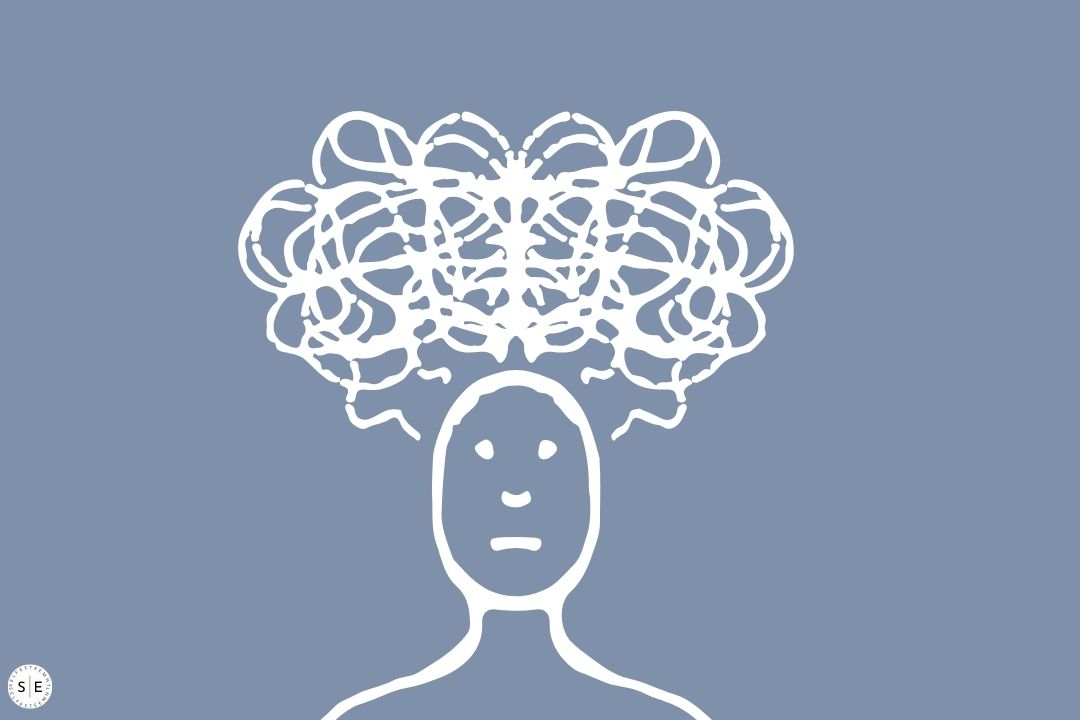

Self-awareness is an essential tool for personal growth, emotional intelligence, and overall well-being. It helps us recognize our emotions, thoughts, and behaviors and understand how they align with our values. However, there is a fine line between being self-aware and falling into the trap of overthinking. Can you be too self-aware? This article explores the balance between healthy self-awareness and overthinking and offers practical tips on maintaining emotional health while nurturing personal growth.
What is Self-Awareness?
Self-awareness refers to the ability to observe and understand your own thoughts, emotions, and behaviors. It allows individuals to reflect on their actions and consider how they impact themselves and others. There are two main types of self-awareness:
Internal Self-Awareness
This involves understanding your emotions, values, motivations, and thoughts. It allows you to recognize what drives your behaviors and how your feelings affect your decisions.
External Self-Awareness
External self-awareness is the ability to recognize how others perceive you. It involves understanding how your actions impact those around you and adjusting your behavior accordingly to foster healthy relationships.
Both types of self-awareness are crucial for personal and emotional growth. They help individuals build better relationships, make informed decisions, and navigate their mental and emotional landscapes with more clarity.
Mindfulness, Stress, and Self-Esteem
The Fine Line Between Self-Awareness and Overthinking
While self-awareness is a powerful tool for personal development, too much introspection can lead to overthinking. Overthinking occurs when self-awareness turns into excessive rumination—when you continuously analyze your actions, thoughts, and decisions to the point of mental exhaustion.

The Difference Between Healthy Self-Awareness and Overthinking
Healthy self-awareness helps you reflect on your experiences and learn from them, while overthinking leads to constant second-guessing and self-doubt. The key difference is that healthy self-awareness fosters personal growth, while overthinking causes mental paralysis and indecision.
How Overthinking Impacts Emotional Health
Overthinking can take a toll on your emotional health by increasing anxiety, stress, and self-doubt. When you are overly focused on analyzing your behaviors and thoughts, you become more critical of yourself. This can create a negative feedback loop where overthinking feeds into feelings of inadequacy.
Common Signs of Overthinking Due to Excessive Self-Awareness:
- Constantly second-guessing your decisions.
- Overanalyzing past conversations or social interactions.
- Feeling overly self-conscious in public or social situations.
- Struggling to make choices for fear of making the wrong decision.
- Frequently experiencing negative self-talk.
How Self-Awareness Can Improve Your Emotional Well-being
The Role of Mindfulness in Balancing Self-Awareness
Mindfulness is an effective practice for staying present and grounded, which can help prevent self-awareness from turning into overthinking. By focusing on the present moment and accepting your thoughts and emotions without judgment, mindfulness helps you avoid the trap of excessive analysis.
How Mindfulness Prevents Overthinking
Mindfulness encourages you to observe your thoughts and feelings without getting lost in them. Instead of ruminating on past mistakes or worrying about future outcomes, mindfulness teaches you to stay focused on the present moment.
Mindfulness Techniques for Cultivating Balanced Self-Awareness
- Breathing Exercises: Focus on your breath to stay in the present moment and avoid drifting into over-analysis.
- Body Scans: Observe how your body feels without judgment. This can help ground you and bring awareness to physical sensations rather than mental rumination.
- Mindful Walking: Pay attention to your surroundings as you walk, noticing sounds, sights, and physical sensations to stay connected with the present.
Benefits of Mindfulness for Preventing Overthinking:
| Mindfulness Technique | How It Helps Prevent Overthinking |
|---|---|
| Deep Breathing | Reduces stress and brings focus to the present |
| Body Scanning | Shifts attention from thoughts to physical sensations |
| Mindful Walking | Encourages present-moment awareness |
Emotional Regulation in Self-Esteem
How Overthinking Affects Mental Health
When self-awareness leads to overthinking, it can have serious consequences for your mental health. Overanalyzing your actions, thoughts, or relationships can contribute to anxiety, stress, and even depression.
Overthinking and Anxiety
Overthinking often leads to heightened anxiety as you focus on potential mistakes, worst-case scenarios, and what others might think of you. This constant rumination can prevent you from living in the moment, and in severe cases, can contribute to generalized anxiety disorder (GAD).
Overthinking and Self-Doubt
When you overthink, you are more likely to question your decisions and abilities, which can lead to persistent self-doubt. This can impact your confidence and make it difficult to move forward in personal or professional situations.
Perfectionism and Overthinking
Perfectionism often fuels overthinking. When you set unrealistic expectations for yourself, you become overly critical of your actions, leading to analysis paralysis. By constantly striving for perfection, you never feel satisfied with your decisions, which perpetuates the cycle of overthinking.
Negative Impacts of Overthinking on Mental Health:
- Increased anxiety and worry.
- Heightened self-doubt and indecision.
- Difficulty letting go of past mistakes or experiences.
- Constant fear of failure or making the wrong decision.
- Struggling with perfectionism and setting unrealistic standards for yourself.
Strategies to Balance Self-Awareness and Avoid Overthinking

It’s essential to strike a balance between being self-aware and overthinking. Here are some strategies to help you manage your self-awareness and prevent it from turning into rumination.
1. Set Limits on Introspection
While self-reflection is an important tool for personal growth, it’s important not to spend too much time analyzing your thoughts and behaviors. Set a specific time for reflection—perhaps 10 to 15 minutes each day—so it doesn’t take over your day or lead to overthinking.
2. Practice Self-Compassion
Be kind to yourself when reflecting on your thoughts and actions. Avoid harsh self-criticism and practice self-compassion by accepting your imperfections. Remind yourself that everyone makes mistakes and that self-improvement is a journey, not a race.
3. Shift from Judgment to Curiosity
Instead of judging yourself for every decision or emotion, approach your self-awareness with curiosity. Ask yourself open-ended questions like, “What can I learn from this experience?” or “How can I grow from this situation?” This reduces the pressure to be perfect and encourages a growth mindset.
4. Stay Present Through Mindfulness
As mentioned earlier, mindfulness is an effective tool for reducing overthinking. Practice being present in the moment through mindfulness exercises such as meditation, breathing techniques, or mindful walking. This helps you stay grounded and reduces the temptation to overanalyze your thoughts.
The Benefits of Balanced Self-Awareness
When you strike a healthy balance between self-awareness and overthinking, you can enjoy the benefits of reflection without the burden of constant rumination.
Personal Growth and Development
Balanced self-awareness allows you to learn from your experiences without getting stuck in regret or self-doubt. You can use introspection as a tool for growth, enabling you to make positive changes in your life.
Emotional Intelligence
By maintaining a balanced approach to self-awareness, you improve your emotional intelligence. You become better at managing your emotions and responding to others in a thoughtful, empathetic way.
Increased Confidence
When you’re not bogged down by overthinking, you can make decisions more confidently and move forward with a greater sense of purpose. Reduced self-doubt leads to higher self-esteem and a stronger belief in your abilities.
Benefits of Balanced Self-Awareness:
| Benefit | How It Improves Emotional Health |
|---|---|
| Personal Growth | Encourages learning from mistakes without guilt |
| Emotional Intelligence | Enhances empathy and emotional regulation |
| Confidence | Reduces indecision and increases self-belief |
Have you ever struggled with overthinking due to heightened self-awareness? How do you find balance between reflection and over-analysis?
Conclusion
Self-awareness is a powerful tool for personal and emotional growth, but too much of it can lead to overthinking and self-doubt. By practicing mindfulness, setting limits on introspection, and approaching self-reflection with curiosity, you can maintain a healthy balance. Striking this balance allows you to enjoy the benefits of self-awareness—such as personal growth, emotional intelligence, and increased confidence—without falling into the trap of over-analysis.
Take time to nurture your self-awareness in a balanced way, and you’ll see improvements in your emotional health, relationships, and overall well-being.
Sources:
- Psychology Today – The Dangers of Overthinking
- Mindful – How Mindfulness Helps Overthinkers Stay Present
- Harvard Health – The Role of Self-Compassion in Mental Health


