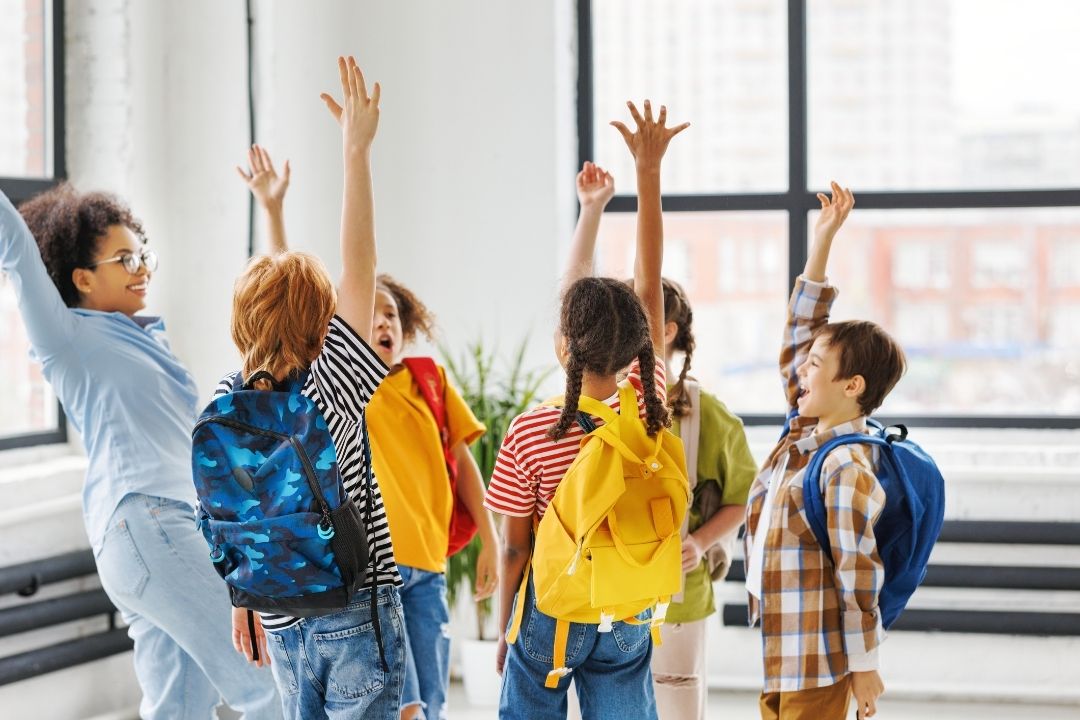

In childhood, the development of social skills plays a pivotal role in shaping how children view themselves and their place in the world. Social skills are the abilities children use to interact with others, build relationships, and navigate social situations effectively. These skills are crucial not only for forming healthy relationships but also for fostering a child’s self-esteem.
Self-esteem, the perception a child has of their own worth, is deeply tied to their social experiences. When children can communicate well, resolve conflicts, and form friendships, they are more likely to feel confident and valued. Conversely, struggles in these areas can lead to feelings of inadequacy and isolation, which may diminish their sense of self-worth. In this article, we’ll explore the essential role that social skills play in developing self-esteem in kids, how these skills evolve, and ways to support children in enhancing both their social abilities and self-confidence.
Understanding Social Skills in Children
Definition and Components of Social Skills
Social skills encompass a range of behaviors that allow children to interact successfully with others. These skills help children navigate social interactions, cooperate in group settings, and form meaningful connections. Some key components of social skills include:
- Communication: The ability to express thoughts, feelings, and needs clearly and effectively.
- Empathy: Understanding and responding to the emotions of others with care and consideration.
- Cooperation: Working together with others toward a common goal.
- Conflict Resolution: Managing disagreements in a constructive manner without resorting to aggression or withdrawal.
These skills are not innate; they are learned and developed over time through interactions with peers, parents, and teachers. As children grow, their social skills expand, allowing them to engage in increasingly complex social environments.
Developmental Stages of Social Skills
The development of social skills occurs in stages, with children mastering different skills at different ages. Below is an overview of typical social skills development:
| Age Range | Social Skills Development |
|---|---|
| 0-2 years | Beginning to engage with caregivers, learning basic communication. |
| 2-4 years | Learning to share, take turns, and express simple emotions. |
| 5-7 years | Building friendships, understanding others’ emotions, and problem-solving. |
| 8-12 years | Developing empathy, managing complex social groups, and resolving conflicts. |
| Teen Years | Refining communication skills, deepening relationships, and asserting independence. |
These milestones are flexible, and children may develop at different rates depending on their environment, personality, and opportunities for socialization.

The Impact of Social Skills on Self-Esteem
Positive Relationships Build Self-Worth
One of the most direct ways social skills impact self-esteem is through the formation of positive relationships. Friendships and social connections provide children with a sense of belonging, which is fundamental to building self-esteem. When a child feels accepted and valued by their peers, they are more likely to view themselves in a positive light.
Children with strong social skills can form and maintain friendships more easily, which in turn enhances their self-esteem. Positive social interactions offer validation, emotional support, and encouragement, all of which contribute to a child’s confidence in themselves. Conversely, children who struggle to make friends may feel isolated, which can lead to lower self-esteem.
Learn more about building resilience and self-esteem.
Effective Communication Fosters Confidence
Communication is another critical component of social skills that directly influences self-esteem. Children who can articulate their thoughts and feelings clearly are more likely to be understood and respected by others. This sense of being heard and acknowledged fosters self-confidence and reinforces their belief in their own worth.
For example, when a child is able to express their needs in a group setting, such as asking to join a game or sharing their opinion, they receive feedback that their voice matters. This validation is essential in building a sense of self-assurance. On the other hand, children who struggle with communication may feel ignored or misunderstood, which can erode their self-esteem over time.
Conflict Resolution Strengthens Emotional Resilience
Another crucial aspect of social skills is the ability to resolve conflicts in a healthy and constructive manner. All children will encounter disagreements or conflicts with peers, but how they handle these situations can have a profound impact on their self-esteem.
Children with strong conflict resolution skills are able to navigate disagreements without escalating into anger or frustration. This not only prevents damage to their relationships but also builds emotional resilience. Successfully managing conflicts gives children the confidence to handle difficult situations, reinforcing their self-worth and emotional stability.
Positive Effects of Social Skills on Self-Esteem:
| Social Skill | Impact on Self-Esteem |
|---|---|
| Building Friendships | Increases feelings of belonging and acceptance. |
| Effective Communication | Boosts confidence through validation and understanding. |
| Conflict Resolution | Strengthens resilience and reduces anxiety in social settings. |
Strategies to Enhance Social Skills and Self-Esteem
Modeling and Teaching Positive Social Behaviors
Parents and educators play a vital role in teaching children social skills by modeling positive behaviors and offering direct instruction. Children learn by observing the actions of adults, so it’s essential for parents and teachers to demonstrate empathy, active listening, and conflict resolution in their interactions.
Additionally, role-playing is an effective way to teach children specific social skills. Through guided practice, children can learn how to handle various social situations, such as introducing themselves to new people, resolving disagreements, or asking for help.
Explore techniques for enhancing self-esteem through therapy.
Providing Opportunities for Social Interaction
Children need ample opportunities to practice their social skills in real-life situations. Structured activities such as team sports, group projects, or joining a club provide children with the chance to interact with peers, collaborate, and develop their social abilities. These settings also offer a safe space for children to learn how to navigate social hierarchies, make friends, and manage conflicts.
Encouraging children to participate in extracurricular activities also helps them build a sense of achievement, which is closely tied to self-esteem. Whether it’s through academic clubs, sports, or artistic endeavors, participation in group activities fosters a sense of belonging and accomplishment.
Positive Reinforcement to Build Confidence
Positive reinforcement is one of the most effective ways to encourage the development of social skills. By praising children for displaying empathy, communicating well, or resolving conflicts, parents and educators can reinforce these positive behaviors. This recognition not only encourages the child to continue practicing these skills but also boosts their self-esteem by acknowledging their efforts and progress.
For example, a simple statement like, “I’m proud of how you handled that situation with your friend,” can have a powerful effect on a child’s confidence. This type of feedback helps children feel competent and capable, which reinforces their self-worth.
Discover how mindfulness can improve stress and self-esteem in kids.
Challenges and Considerations
Individual Differences in Social Development
It’s important to recognize that children develop social skills at different paces, and some may face unique challenges. For instance, children with social anxiety, autism spectrum disorder (ASD), or attention-deficit/hyperactivity disorder (ADHD) may struggle more with social interactions than their peers. In these cases, tailored strategies, such as social skills groups or one-on-one therapy, can be beneficial.
Patience and understanding are crucial when working with children who may find social situations more difficult. Celebrating small victories and progress, rather than focusing on perceived shortcomings, helps build self-esteem and encourages continued effort.
Cultural Influences on Social Skills
Cultural norms also play a significant role in how social skills are developed and expressed. In some cultures, assertiveness and direct communication are valued, while in others, deference and indirect communication may be the norm. Understanding these cultural differences is essential when supporting a child’s social development, particularly in diverse or multicultural environments.
Parents and educators should be mindful of how cultural expectations may influence a child’s social interactions and self-esteem. Encouraging children to navigate social norms while staying true to their own identity can help foster a strong sense of self-worth.
What strategies have you found most effective in helping your child develop social skills and build self-esteem?
Conclusion
Social skills are fundamental to a child’s emotional development and play a crucial role in shaping their self-esteem. Children who can communicate effectively, form positive relationships, and manage conflicts with confidence are more likely to develop a healthy sense of self-worth. Parents, educators, and caregivers must provide children with the tools, opportunities, and support they need to cultivate these vital skills.
By modeling positive social behaviors, encouraging participation in group activities, and offering praise for successful interactions, adults can help children strengthen both their social skills and their self-esteem. Ultimately, investing in a child’s social development is an investment in their long-term emotional well-being and success.
Sources: