

Confidence is one of the most crucial aspects of a teenager’s development, influencing their social interactions, academic performance, and emotional well-being. Establishing healthy habits during adolescence can significantly boost self-esteem and contribute to long-term success. From physical health practices to emotional well-being routines, these habits form the foundation of a confident, well-adjusted teen. In this article, we will explore a range of healthy habits that teens can develop to enhance their self-confidence.
The Importance of Healthy Habits in Building Teen Confidence
How Healthy Habits Impact Teen Self-Esteem
Healthy habits are essential for developing strong self-esteem in teenagers. Whether it’s maintaining physical health, practicing emotional resilience, or fostering positive social interactions, these habits provide the framework for a confident and happy life.
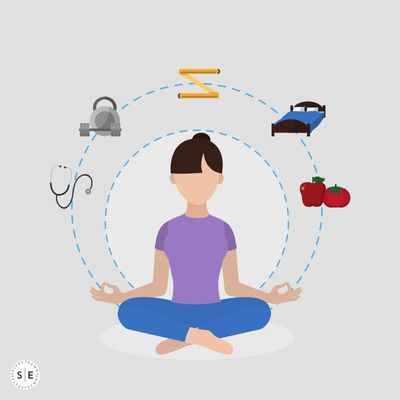
- Physical Health and Confidence: Engaging in regular physical activity and eating a balanced diet can lead to better body image and a stronger sense of self. When teens feel physically strong and healthy, they are more likely to feel confident.
- Emotional Well-Being: Emotional habits, such as positive self-talk and stress management, help teens cope with life’s challenges, reinforcing a sense of self-worth.
- Social Skills and Relationships: Healthy social habits, like building supportive relationships and practicing assertiveness, allow teens to feel more secure in their interactions with others.
For more information on how mental health affects self-esteem, visit poor mental health and low self-esteem.
Daily Routines and Teen Confidence
Daily routines provide structure and a sense of control, which can help teens feel more confident in their ability to manage different aspects of life.
- Consistency and Routine: Establishing daily habits gives teens a sense of stability and accomplishment, which boosts their confidence. Regular routines can reduce anxiety and help teens feel more prepared for challenges.
- Ownership of Health: When teens take responsibility for their health, such as eating well or prioritizing mental health, they build a sense of control over their lives, which directly impacts their confidence levels.
For strategies on building emotional resilience, check out emotional resilience and self-esteem.
Physical Health Habits for Teen Confidence
1. Regular Exercise and Physical Activity
Physical activity is one of the most effective ways to boost a teen’s self-confidence. Regular exercise not only strengthens the body but also has a profound impact on mental and emotional well-being.
- Boosting Mood Through Endorphins: Exercise releases endorphins, which improve mood and reduce anxiety. This natural “feel-good” effect helps teens feel more positive and capable in their daily lives.
- Building Body Confidence: Regular physical activity can help teens feel better about their bodies, which is crucial during a time when body image concerns often arise. Whether through sports, dance, or simple workouts, physical activity fosters a positive body image.
| Exercise Type | Confidence Benefit |
|---|---|
| Team Sports | Builds teamwork and social confidence |
| Yoga or Pilates | Promotes mindfulness and body awareness |
| Strength Training | Enhances physical strength and self-esteem |
For more on how physical health contributes to emotional well-being, visit movement and self-esteem.
2. Nutrition and Confidence
What teens eat directly affects how they feel, both physically and emotionally. A balanced diet provides the energy and mental clarity needed to tackle challenges and build confidence.
- Nutrition for Mental Clarity: A well-balanced diet that includes whole grains, fruits, vegetables, and lean proteins helps support brain health, improving focus and decision-making. This boosts teens’ confidence in their abilities to succeed academically and socially.
- Avoiding Processed Foods: Encouraging teens to avoid excessive junk food, which can lead to mood swings and fatigue, ensures they maintain consistent energy levels and a positive outlook.
| Healthy Foods | Benefit for Confidence |
|---|---|
| Omega-3 Rich Foods (e.g., fish) | Supports brain health and emotional stability |
| Leafy Greens | Enhances energy and reduces fatigue |
| Whole Grains | Improves focus and mental sharpness |
For more on how food affects confidence, explore mind-nutrition-exercise.
Emotional and Mental Health Habits for Teen Confidence
1. Practicing Positive Self-Talk
The way teens talk to themselves can significantly influence their confidence levels. Encouraging teens to replace negative thoughts with positive affirmations helps develop a healthier self-image.
- Reframing Negative Thoughts: Teens often engage in negative self-talk, such as “I’m not good enough” or “I always fail.” Teaching them how to reframe these thoughts into positive affirmations—like “I’m capable of learning” or “I’m proud of my effort”—helps build resilience and self-esteem.
- Daily Affirmations: Incorporating daily positive affirmations into their routine, such as “I am worthy” or “I can overcome challenges,” helps teens internalize positive beliefs about themselves.
| Negative Self-Talk | Positive Reframe |
|---|---|
| “I’m not smart enough to succeed” | “I can improve through hard work and persistence” |
| “Nobody likes me” | “I am valuable, and I deserve positive relationships” |
For more tips on overcoming negative thoughts, visit negative self-talk and low self-esteem.
2. Managing Stress and Building Resilience
Teenagers face various sources of stress, from academic pressure to social challenges. Learning how to manage stress effectively helps build resilience and fosters long-term confidence.
- Mindfulness and Meditation: Techniques like mindfulness and meditation can help teens reduce anxiety and maintain emotional balance. Practicing mindfulness allows them to stay present and manage their emotions more effectively.
- Coping with Setbacks: Encouraging teens to view setbacks as learning opportunities rather than failures helps them develop a growth mindset. When they understand that challenges are part of the journey, their resilience and confidence grow.
For more strategies on handling stress, check out mindfulness and stress for confidence.
Social Habits for Teen Confidence
1. Developing Healthy Relationships
Positive social interactions are essential for teen confidence. Teens who feel supported by their friends and family are more likely to feel secure and confident in social situations.
- Encouraging Positive Friendships: Help teens build friendships with peers who encourage and support them. Positive friendships provide a sense of belonging, which is crucial for self-esteem.
- Practicing Assertiveness: Teach teens the importance of assertiveness in relationships. Learning how to express their needs, set boundaries, and advocate for themselves helps them feel more confident in their social interactions.

2. Setting Boundaries in Relationships
Healthy relationships require boundaries, and learning how to set and maintain boundaries is a key skill for building confidence.
- Learning to Say No: Teach teens that saying no is not selfish—it’s an important part of maintaining emotional well-being. When teens feel empowered to set limits, they gain confidence in their ability to manage relationships.
- Maintaining Independence: Encourage teens to pursue their own interests, even within close friendships. Developing a strong sense of individuality helps them feel more confident in their identity and self-worth.
For more on establishing boundaries, visit assertiveness skills and boundaries.
Rest and Reflection Habits for Confidence
1. Prioritizing Sleep for Confidence
Sleep is crucial for physical and emotional well-being, and a good night’s rest can significantly affect how teens feel about themselves.
- Boosting Mood and Focus: When teens get enough sleep, they’re more likely to wake up feeling refreshed and ready to face the day. A well-rested mind is more capable of handling challenges with a positive outlook.
- Emotional Regulation: Adequate sleep helps teens regulate their emotions, which is key to maintaining confidence and resilience when things get tough.
For more on the importance of sleep, check out consistent sleep and healthy self-esteem.
2. Goal Setting and Self-Reflection
Goal setting gives teens a sense of purpose and direction, which can significantly boost their confidence. Reflecting on their progress helps reinforce a positive self-image and builds their motivation to continue striving for success.
- Setting Achievable Goals: Encourage teens to set small, achievable goals that align with their interests. Completing these goals gives them a sense of accomplishment and boosts their confidence in their abilities.
- Reflecting on Achievements: Teach teens to take time to reflect on what they’ve accomplished. Recognizing their progress helps reinforce positive self-worth and motivates them to continue growing.
What healthy habit can you introduce into your teen’s daily routine today to help them build confidence and self-esteem?
For more on goal-setting, explore self-esteem and academic performance.
Conclusion
Building confidence in teens requires a holistic approach that incorporates healthy habits across physical, emotional, and social areas. Encouraging teens to exercise regularly, eat well, practice positive self-talk, and build meaningful relationships lays the foundation for long-term self-esteem. By helping teens develop these habits, parents and guardians can empower them to navigate adolescence with greater confidence and resilience.