


Exercise is often associated with physical health, but its benefits extend far beyond the body. Regular physical activity is one of the most effective tools for reducing stress and boosting confidence. In addition to improving your mood, exercise promotes a positive self-image, emotional regulation, and mental clarity. In this article, we will explore how exercise reduces stress and boosts confidence, and how incorporating it into your daily routine can enhance your self-esteem and well-being.
The Science Behind Exercise and Stress Reduction
Stress is a natural response to challenges or threats, but chronic stress can take a toll on both mental and physical health. Exercise helps to combat stress by regulating hormones and promoting relaxation.
Hormonal Effects of Exercise on Stress
When we are stressed, the body releases hormones like cortisol and adrenaline, which trigger the fight-or-flight response. While this is useful in short bursts, prolonged stress can lead to anxiety and depression. Exercise helps by reducing the levels of these stress hormones and stimulating the production of endorphins—often referred to as “feel-good” chemicals—that create a sense of well-being and relaxation.
How Exercise Reduces Stress Through Hormonal Changes
| Stress Hormone | Impact of Exercise on Stress Reduction |
|---|---|
| Cortisol | Reduces levels, preventing chronic stress |
| Adrenaline | Lowers adrenaline, calming the fight-or-flight response |
| Endorphins | Increases production, promoting feelings of happiness |
The physical benefits of exercise, such as improved heart health and sleep quality, also contribute to reduced stress, as a healthy body is better equipped to manage daily challenges.
How Exercise Boosts Confidence
Beyond stress reduction, exercise is an excellent way to boost self-confidence. Confidence stems from a positive self-image, a sense of accomplishment, and self-efficacy—all of which are supported by regular physical activity.
Enhancing Body Confidence
Body image is a significant aspect of self-esteem. Regular exercise helps people feel better about their bodies, not only by improving physical appearance but also by increasing strength, endurance, and flexibility. These improvements contribute to a more positive self-perception, which in turn boosts confidence.
Setting and Achieving Fitness Goals
Exercise offers a unique opportunity to set personal goals and achieve them, which fosters a sense of accomplishment. Whether it’s running a 5K, lifting a certain amount of weight, or mastering a new yoga pose, reaching these milestones enhances self-efficacy—the belief in one’s ability to succeed. This growing confidence often extends beyond fitness, affecting other areas of life.
List of Confidence-Boosting Effects of Exercise:
- Enhances self-image and body confidence.
- Provides a sense of mastery and achievement.
- Builds resilience through overcoming physical challenges.
The Connection Between Physical and Mental Health
Physical and mental health are deeply interconnected. Exercise not only benefits the body but also has profound effects on mental well-being, contributing to emotional stability, improved cognitive function, and better overall mood.
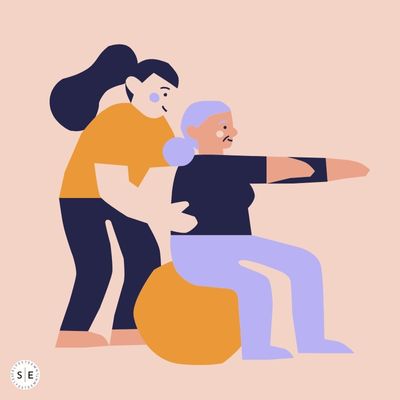
Physical Health Supporting Mental Well-Being
Physical health improvements, such as better cardiovascular function and enhanced mobility, contribute to mental well-being. When the body is healthy, the mind is better equipped to handle stress and emotional challenges. Exercise improves blood flow to the brain, which enhances cognitive function and mood regulation.
Mental Health Benefits of Regular Exercise:
| Mental Health Benefit | Role of Exercise |
|---|---|
| Improved cognitive function | Enhances memory and focus through increased blood flow |
| Better mood regulation | Releases endorphins and reduces anxiety |
| Enhanced emotional resilience | Builds coping mechanisms for stress |
By improving physical health, exercise creates a solid foundation for mental and emotional well-being.
Exercise as a Tool for Emotional Regulation
Many people struggle with emotional regulation—finding it difficult to manage anxiety, depression, or mood swings. Exercise is an effective tool for improving emotional balance because it helps regulate brain chemicals and hormones that influence mood.
Reducing Anxiety and Depression
Exercise is a natural antidepressant. Studies have shown that physical activity can be as effective as medication for treating mild to moderate depression. By stimulating the production of neurotransmitters like serotonin and dopamine, exercise promotes a positive mood and reduces feelings of anxiety and sadness.
Increasing Emotional Resilience
When faced with challenges, those who exercise regularly tend to have better emotional resilience. Physical activity strengthens the body’s ability to handle stress, making it easier to bounce back from difficult situations.
List of Emotional Regulation Benefits from Exercise:
- Reduces symptoms of anxiety and depression.
- Enhances relaxation and stress relief.
- Promotes resilience and emotional stability.
For more on building resilience through mental and emotional strategies, check out our article on emotional regulation in self-esteem.
Types of Exercise That Reduce Stress and Build Confidence
Not all exercises offer the same benefits when it comes to reducing stress and boosting confidence. Here are some of the most effective types of exercise for improving mental and emotional well-being:
Aerobic Exercise
Aerobic exercises, such as running, swimming, and cycling, are particularly effective for reducing stress. These activities increase heart rate and stimulate the production of endorphins, leading to a noticeable mood boost. Aerobic exercise also improves cardiovascular health, which is essential for managing long-term stress.
Strength Training
Strength training helps reduce stress by focusing attention on physical tasks and releasing muscle tension. It also builds physical strength, which can improve body image and confidence. As you see progress in your strength, you gain a sense of mastery and accomplishment.
Yoga and Mindfulness-Based Movement
Yoga combines physical movement with mindfulness, making it an excellent exercise for stress reduction. Yoga promotes relaxation through controlled breathing, stretching, and meditation. It also improves body awareness and self-acceptance, which enhances confidence and emotional balance.
Types of Exercise and Their Impact on Stress and Confidence:
| Exercise Type | Stress Reduction Benefit | Confidence Boosting Effect |
|---|---|---|
| Aerobic exercise | Improves cardiovascular health, reduces anxiety | Enhances body confidence through endurance |
| Strength training | Reduces stress by releasing muscle tension | Builds a sense of physical mastery |
| Yoga and mindfulness | Promotes relaxation and mental clarity | Enhances self-awareness and body acceptance |
To explore how movement-based practices like yoga can improve self-esteem, visit our article on movement, self-esteem, and emotional well-being.
How to Incorporate Exercise into Your Routine to Reduce Stress and Boost Confidence
Starting and maintaining an exercise routine may seem daunting, especially for those with busy schedules or limited motivation. However, by incorporating small, consistent changes into your daily routine, you can enjoy the benefits of exercise for both stress reduction and confidence building.

Tips for Incorporating Exercise Into Daily Life
- Start Small: Begin with short daily sessions, such as a 15-minute walk or 10 minutes of stretching, and gradually increase the duration and intensity.
- Set Achievable Goals: Set specific, measurable goals, such as completing a workout three times per week or trying a new exercise class. Tracking progress can increase motivation and confidence.
- Choose Activities You Enjoy: To stay motivated, choose exercises that you find enjoyable, whether it’s dancing, hiking, or swimming.
- Incorporate Exercise Into Your Routine: Look for ways to integrate movement into your daily schedule, such as walking during lunch breaks or doing yoga in the evening.
List of Practical Exercise Tips:
- Start with short, manageable workouts.
- Set and track specific fitness goals.
- Choose activities that you enjoy to maintain motivation.
- Incorporate physical activity into your daily schedule.
By creating a routine that works for you, exercise becomes a sustainable habit that supports both mental and physical well-being.
The Long-Term Benefits of Regular Exercise for Confidence and Stress Management
The benefits of exercise extend well beyond the immediate effects of stress relief and confidence boosts. When exercise is incorporated into your lifestyle over the long term, it leads to profound improvements in overall well-being.
Sustained Confidence Growth
Over time, regular exercise enhances body image, physical strength, and emotional resilience. This cumulative effect leads to lasting improvements in self-confidence. By consistently reaching new fitness milestones, individuals feel empowered and capable, which reflects in other areas of their lives.
Long-Term Stress Management
Regular physical activity builds long-term resilience to stress. Individuals who exercise regularly are better equipped to handle stressors and recover more quickly from challenges. This long-term stress reduction contributes to a balanced and fulfilling life.
Long-Term Benefits of Exercise:
- Increased physical strength and endurance.
- Greater emotional resilience and stress tolerance.
- Lasting improvements in self-confidence and body image.
For more on how consistent exercise can support long-term self-worth, explore our article on start exercising when you have low self-esteem.
Conclusion
Exercise is a powerful tool for reducing stress and boosting confidence. By engaging in regular physical activity, you can improve your mood, enhance your self-image, and develop emotional resilience. Whether you choose aerobic exercise, strength training, or yoga, incorporating movement into your daily routine will not only support your physical health but also improve your mental and emotional well-being.


