Adolescence is a critical period of development that brings about dramatic changes, not only in physical growth but also in brain structure and function. This period is marked by rapid neural development, emotional growth, and identity formation, all of which shape self-esteem. Understanding the neuroscience of self-esteem in adolescents is key to helping them navigate this complex stage of life. This article explores the brain mechanisms that influence self-esteem in adolescents, how they differ from adults, and what can be done to support healthy self-esteem during this pivotal time.
Understanding Brain Development in Adolescence
Major Brain Changes During Adolescence
Adolescence is characterized by significant changes in the brain, particularly in regions associated with emotion regulation, decision-making, and self-perception. One of the most crucial areas undergoing development is the prefrontal cortex, responsible for executive functions such as planning, impulse control, and emotional regulation. However, the prefrontal cortex does not fully mature until the mid-20s, which explains why adolescents may struggle with decision-making and self-regulation.
At the same time, the limbic system, which controls emotions and rewards, develops more quickly. This mismatch in the maturation rates of the prefrontal cortex and the limbic system creates an imbalance, making adolescents more prone to emotional swings, impulsive behaviors, and sensitivity to social feedback, all of which significantly affect self-esteem.
The Role of Neuroplasticity
Neuroplasticity, the brain’s ability to reorganize and form new neural connections, is especially active during adolescence. This heightened plasticity allows adolescents to learn quickly and adapt to new experiences. However, it also makes them more vulnerable to negative experiences, such as peer rejection or criticism, which can have a lasting impact on their self-esteem. Adolescents’ brains are wired to be more sensitive to feedback, both positive and negative, making the teenage years a crucial time for self-esteem development.
The Role of Neural Pathways in Adolescent Self-Esteem
How Neural Pathways Shape Self-Esteem
Neural pathways are the brain’s communication highways, linking different areas of the brain to process information and govern behavior. During adolescence, the formation and pruning of these pathways are at their peak. This means that the brain is rapidly strengthening connections that are frequently used and eliminating those that are not. For self-esteem, this is particularly important because repeated thoughts and behaviors reinforce neural circuits. Positive reinforcement strengthens pathways associated with confidence and self-worth, while negative experiences, such as bullying or failure, can solidify circuits related to low self-esteem.
For example, an adolescent who consistently receives positive feedback for their efforts in school or sports will build neural pathways that support a strong sense of self-worth. Conversely, an adolescent who experiences frequent rejection or criticism may reinforce pathways linked to self-doubt and insecurity.
Flexibility and Sensitivity to External Feedback
Adolescents are uniquely sensitive to feedback from their social environment. The brain’s reward system, which includes structures like the nucleus accumbens and ventral striatum, is highly active during this stage. These brain regions are responsible for processing rewards and social acceptance, making adolescents particularly attuned to peer approval. This sensitivity to social comparison can either bolster or undermine their self-esteem, depending on the type of feedback they receive.
Read more on how neuroplasticity influences self-image and its connection to adolescent development.
Peer Influence and Social Comparison
The Science of Peer Influence
During adolescence, peer influence becomes one of the strongest factors shaping self-esteem. The social brain, particularly the reward centers, is highly responsive to peer approval and feedback. Adolescents often measure their self-worth based on how they compare to their peers, which can create a heightened sensitivity to social cues and approval.
Peer influence can have both positive and negative effects on self-esteem. Positive reinforcement from friends can build self-confidence, while negative comparisons or peer rejection can erode self-worth. Adolescents who are frequently exposed to negative peer interactions are at a greater risk of developing low self-esteem, especially if they do not have strong support systems at home or school.
Social Comparison and Its Effects on Self-Worth
Adolescents are especially vulnerable to social comparison, a process where individuals evaluate themselves based on how they measure up to others. Social media has amplified this issue, as teenagers now have constant access to curated versions of others’ lives, leading to unrealistic standards of success, beauty, and popularity. These comparisons can create feelings of inadequacy and lower self-esteem, as adolescents often believe they are falling short of societal expectations.
Social comparison can trigger the brain’s stress response, releasing cortisol, which can impair emotional regulation and make it harder for adolescents to cope with negative feelings about themselves.
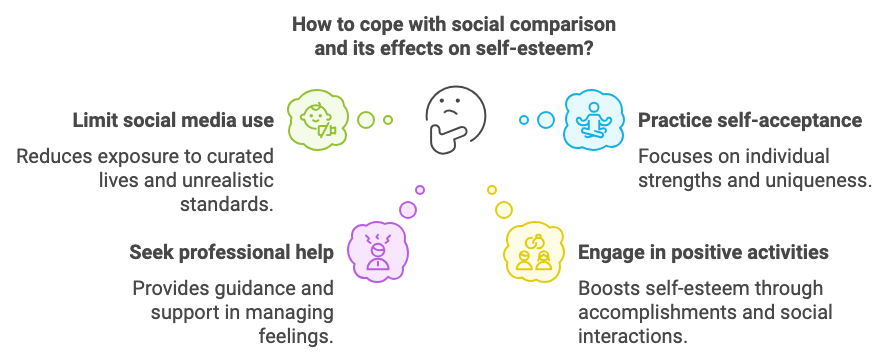
Learn more about the impact of social influence on self-esteem and the brain’s role in processing social interactions.
Emotional Regulation and Self-Esteem in Adolescents
Why Emotional Regulation Is Challenging for Adolescents
The ability to regulate emotions is essential for maintaining healthy self-esteem. However, due to the developmental imbalance between the prefrontal cortex and the limbic system, adolescents often struggle with emotional regulation. The limbic system, which includes the amygdala, drives emotional reactions, while the prefrontal cortex, responsible for impulse control and decision-making, is still maturing.
This developmental gap can make it difficult for adolescents to manage strong emotions, especially during stressful situations. Emotional dysregulation often leads to impulsive behaviors, mood swings, and an inability to cope with criticism, all of which negatively impact self-esteem.
Techniques to Improve Emotional Regulation
Fortunately, there are strategies that can help adolescents improve their emotional regulation and, in turn, their self-esteem. Mindfulness practices, such as meditation and deep breathing exercises, have been shown to strengthen the connection between the prefrontal cortex and the limbic system, allowing for better control over emotional responses. Additionally, teaching adolescents cognitive reframing techniques can help them reinterpret negative experiences in a more positive light, reducing the impact of stress on self-esteem.
Explore how emotional regulation influences self-esteem and discover more strategies to help adolescents manage their emotions.
Identity Formation and Its Impact on Self-Esteem
The Process of Identity Formation
One of the most important developmental tasks of adolescence is forming a sense of identity. During this period, adolescents explore different roles, values, and beliefs as they try to answer the question, “Who am I?” This process of identity formation is closely tied to self-esteem, as adolescents’ sense of self-worth is often based on how successfully they feel they are forming their own identity.
Adolescents who struggle with identity formation may experience confusion, insecurity, and low self-esteem. Conversely, those who successfully navigate this process tend to have higher self-esteem and a stronger sense of purpose.
The Brain’s Role in Identity Development
The medial prefrontal cortex, which is involved in self-reflection and understanding one’s identity, is highly active during adolescence. This heightened activity allows adolescents to engage in more complex self-evaluation and reflection, but it also makes them more sensitive to external influences. As they form their identity, adolescents may internalize the expectations of their peers, family, and society, which can either enhance or undermine their self-esteem depending on the feedback they receive.
Adolescents who receive consistent support and validation during this process are more likely to develop a positive sense of self-worth. Those who face criticism or rejection may struggle with identity confusion and lower self-esteem.
Learn more about the role of self-awareness in self-esteem development in our article on self-awareness in adolescence.
Strategies for Supporting Adolescent Self-Esteem Through Neuroscience

Positive Reinforcement and Neural Pathway Strengthening
Given the brain’s heightened plasticity during adolescence, one of the most effective ways to support self-esteem is through positive reinforcement. Encouraging adolescents when they succeed, validating their efforts, and providing constructive feedback can strengthen neural pathways associated with confidence and self-worth. Regularly affirming their strengths helps reinforce a positive self-image.
Promoting Emotional Regulation Techniques
Teaching adolescents techniques for managing stress and emotions is critical for their emotional development. Mindfulness practices, cognitive reframing, and journaling are excellent tools that can help them regulate emotions and reduce the negative impact of stress on self-esteem. Building resilience through these practices allows adolescents to navigate social challenges without losing confidence in their abilities.
Discover more strategies for mindfulness practices that build confidence and how they impact self-esteem.
Reducing Social Comparison
To combat the harmful effects of social comparison, it’s important to help adolescents develop a sense of intrinsic self-worth, independent of external validation. Encouraging them to focus on their personal growth and achievements rather than comparing themselves to others can foster a more stable self-esteem. Limiting exposure to unrealistic portrayals of life on social media can also reduce feelings of inadequacy.
Conclusion
The neuroscience of self-esteem in adolescents reveals that this critical stage of development is marked by heightened brain plasticity, emotional reactivity, and sensitivity to peer feedback. Understanding the unique neurological processes at play can help parents, educators, and mental health professionals better support adolescents as they navigate the challenges of forming their identity and building self-worth. By promoting positive reinforcement, emotional regulation, and mindfulness, we can help adolescents develop the resilience and confidence needed to thrive.
Sources:
- National Institute of Mental Health (NIMH) – Research on adolescent brain development and self-esteem.
- American Psychological Association (APA) – Studies on the impact of peer influence on adolescent self-worth.
- Journal of Adolescent Health – Articles on neuroplasticity and self-esteem in teenagers.