


Self-esteem and emotional well-being are often influenced by our daily habits, particularly how much we move. Movement isn’t just about physical fitness; it’s a powerful tool for improving mental health, fostering a positive self-image, and enhancing emotional stability. This article explores how incorporating daily movement can significantly impact self-esteem and emotional well-being, and offers practical ways to get started.
The Connection Between Movement and Self-Esteem
Self-esteem is more than just how you feel about yourself; it’s the lens through which you experience life. Physical activity is a potent yet often overlooked method for enhancing self-esteem. When we move, we’re not just working on our physical bodies—we’re also positively influencing our mental and emotional state.
1. The Science Behind Exercise and Self-Worth
Daily movement triggers the release of key neurotransmitters such as dopamine, serotonin, and endorphins, which play an essential role in mood regulation. These chemicals are often referred to as “happy hormones,” as they are known to reduce anxiety, alleviate stress, and generate a sense of well-being.
In fact, research shows that people who engage in regular physical activity report higher levels of self-esteem and confidence. This boost often comes from accomplishing small, measurable goals in fitness, like walking for 20 minutes a day or completing a yoga session. These achievements build positive reinforcement that can help you see yourself as capable and strong.
Types of Daily Movement to Boost Emotional Well-Being
Not all movement has to be strenuous to provide mental health benefits. Whether it’s a walk in the park or a high-energy workout, all forms of movement have the potential to improve emotional well-being and boost self-esteem.
1. Low-Impact Activities for Emotional Balance
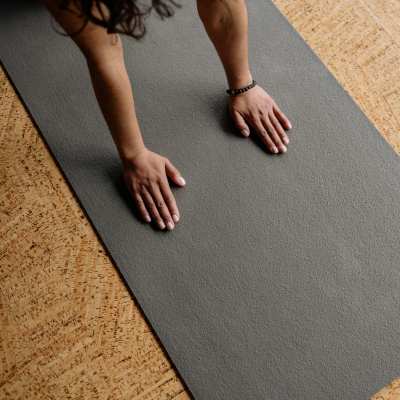
For those who prefer gentle movement, activities like walking, yoga, and stretching can create emotional stability without overwhelming the body. These low-impact exercises focus on mindfulness and body awareness, helping you feel grounded and reducing stress.
- Walking: Even a 20-minute daily walk can help clear your mind, reduce anxiety, and improve focus.
- Yoga: Yoga combines mindful breathing with physical postures, helping to balance your emotional and mental state.
- Stretching: Regular stretching releases tension in the muscles, improving circulation and encouraging relaxation.
2. High-Intensity Workouts for Stress Relief
For those seeking an energy boost, high-intensity exercises such as running or HIIT (High-Intensity Interval Training) are excellent for releasing pent-up energy and reducing stress. These activities provide a rush of endorphins, often referred to as the “runner’s high,” which creates a feeling of euphoria and accomplishment.
- Running: Known for its ability to reduce depression and anxiety, running helps release endorphins, which improve mood.
- HIIT Workouts: These fast-paced workouts are efficient at boosting energy, increasing focus, and promoting a sense of achievement.
3. Everyday Movements That Count
Movement doesn’t have to be formal exercise to be effective. Daily activities like gardening, cleaning, or even taking the stairs instead of the elevator can contribute to your overall movement goal. These small bursts of activity can lift your mood and provide the mental clarity needed to tackle challenges throughout the day.
Examples of Daily Movements and Their Emotional Benefits
| Activity | Type | Emotional Benefits |
|---|---|---|
| Walking | Low-impact | Clears mind, reduces anxiety |
| Yoga | Low-impact | Enhances mindfulness, promotes relaxation |
| Running | High-impact | Boosts mood, reduces depression |
| HIIT Workouts | High-impact | Increases focus, releases endorphins |
| Gardening/Housework | Moderate | Improves mood, provides mental clarity |
What’s one small movement you can add to your daily routine to improve your self-esteem and emotional health?
How Movement Builds Positive Body Image and Self-Confidence

One of the greatest benefits of movement is how it can reshape your relationship with your body. When you move regularly, you start to appreciate your body for what it can do, rather than focusing solely on appearance. This shift in mindset plays a crucial role in boosting self-esteem and body confidence.
1. Overcoming Negative Body Perception
Many people struggle with negative body image, which often leads to low self-esteem. Daily movement can shift your focus from how your body looks to what your body can achieve. Every time you complete a workout or hit a new personal best, it reinforces the idea that your body is capable and strong, which helps silence the inner critic.
2. Celebrating Small Wins to Build Confidence
Regular movement allows you to set and achieve small, manageable goals. Whether it’s walking a little farther than usual or mastering a yoga pose, these victories build a sense of accomplishment and pride. This positive feedback loop helps reinforce the belief that you are competent, which can translate into other areas of your life.
List: Ways Exercise Improves Body Image
- Shifts focus from appearance to ability
- Reduces critical self-talk and negative thoughts
- Creates tangible evidence of improvement through physical milestones
- Enhances body positivity and self-care practices
Emotional Benefits of Movement: Reducing Anxiety and Depression
Exercise is not just about fitness—it’s a proven way to combat mental health challenges such as anxiety and depression. Movement has been found to be as effective as medication for treating mild to moderate depression, and it provides a natural way to lift your mood.
1. Releasing Feel-Good Chemicals
As we discussed, movement triggers the release of chemicals like serotonin and dopamine, which are essential for regulating mood. Regular physical activity can help manage symptoms of anxiety and depression by providing a natural way to elevate mood and improve emotional resilience.
2. Creating a Sense of Purpose
Daily movement provides structure to your day, giving you a sense of purpose. Whether it’s a morning walk or an evening run, having scheduled activities creates a routine that can alleviate feelings of helplessness often associated with depression.
3. Enhancing Social Connection
Group exercise, such as yoga classes or team sports, enhances your sense of connection to others, which is a key component of emotional well-being. Socializing through movement can reduce feelings of isolation and loneliness, which are often triggers for anxiety and depression.
Creating a Sustainable Movement Routine for Self-Esteem
While it’s tempting to jump into a rigorous exercise regimen, sustainability is key. Building a movement routine that you can stick with is essential for long-term success. Below are practical tips to help you create a movement routine that supports both your physical and mental health.
1. Start Small to Build Confidence
You don’t need to start with intense workouts. Begin with manageable goals, like a 10-minute walk, and gradually increase the intensity as your confidence builds. Small wins lead to bigger achievements and help maintain motivation.
2. Choose Activities You Enjoy
The best way to make movement a sustainable habit is to do things you enjoy. If you dread running, opt for dancing or swimming. When you enjoy the activity, it becomes something you look forward to, rather than a chore.
3. Set Realistic Goals
Setting goals that are achievable is crucial for maintaining confidence. Unrealistic goals can lead to burnout and feelings of failure. Focus on progress, not perfection. Aiming for three workouts per week or a 10-minute daily yoga session is a great start.
List: Tips for Building a Daily Movement Routine
- Start with 10-15 minutes of movement per day.
- Choose activities you genuinely enjoy.
- Set realistic, flexible goals.
- Track your progress and celebrate achievements.
- Don’t compare your journey to others—focus on your own growth.
Conclusion
Daily movement is an invaluable tool for improving both self-esteem and emotional well-being. From the release of feel-good hormones to building self-confidence through small victories, movement offers a simple yet effective way to nurture your mind and body. Whether you prefer a morning walk, a yoga session, or a high-intensity workout, making movement a regular part of your routine will lead to lasting improvements in how you see yourself and how you feel emotionally.
Are you ready to start incorporating movement into your daily routine? Remember, it’s not about perfection but about progress. Begin with small, achievable goals and build from there, knowing that each step brings you closer to a healthier, happier you.



Emotional Health
1. Self-Love Know My Self-Worth: Recognize and embrace my inherent value. If I believe something is right for me, trust that it’s okay.
Leave Toxic Situations: Have the courage to step away from relationships that are harmful or abusive.
Admit Faults: Be brave enough to acknowledge mistakes and take responsibility when necessary.