


Self-esteem is the foundation of how we view ourselves and the world around us. It affects everything from the way we interact with others to the decisions we make in our personal and professional lives. One of the most influential factors in shaping self-esteem is our childhood. Our early experiences with parents, caregivers, peers, and even the environment play a crucial role in how we develop self-worth. In this article, we’ll explore how childhood experiences contribute to low self-esteem and offer steps to heal and rebuild confidence in adulthood.
The Role of Childhood in Shaping Self-Esteem
Self-esteem refers to how we value ourselves. It’s the internal barometer that tells us whether we believe we are worthy, competent, and deserving of respect. Childhood is a critical period in the development of self-esteem, as the interactions and experiences we have during this time significantly shape our beliefs about ourselves and the world.
During early childhood, we are like sponges, absorbing the messages conveyed to us by those around us—especially parents and caregivers. These messages, whether verbal or nonverbal, can either nurture a healthy sense of self-worth or sow the seeds of doubt, inadequacy, and shame.
Childhood experiences essentially serve as a blueprint for how individuals view themselves later in life. Learn more about how self-esteem evolves over time and its long-term effects.
Why Early Childhood is Crucial for Self-Esteem:
- Emotional Development: The way caregivers respond to a child’s emotions teaches them how to manage their own feelings.
- Social Interaction: Early peer relationships and the ability to form connections affect how children see themselves in relation to others.
- Cognitive Development: Children form beliefs about their abilities based on early feedback, which influences how they perceive themselves.
In short, the experiences of early childhood are like the blueprint for how we will come to see ourselves as adults.
Common Childhood Experiences That Lead to Low Self-Esteem
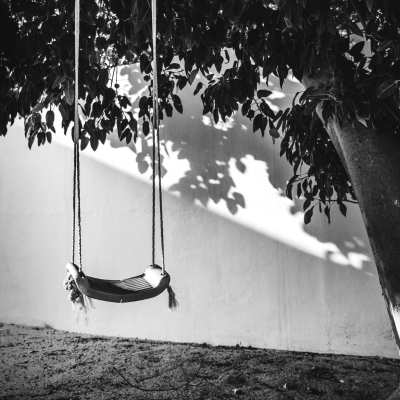
Several types of childhood experiences are known to contribute to low self-esteem later in life. Let’s explore some of the most common ones.
1. Criticism and Negative Feedback
Constant criticism or overly harsh feedback from parents, teachers, or peers can severely damage a child’s self-worth. When children are repeatedly told they are “not good enough” or criticized for their mistakes, they internalize these messages and carry them into adulthood.
Effects of Negative Feedback:
- Low Confidence: Children who are consistently criticized doubt their abilities and fear taking risks.
- Perfectionism: They may strive for unrealistic standards to avoid further criticism, which can lead to stress and burnout.
- Fear of Failure: This constant scrutiny may lead to a fear of trying new things, as failure is seen as a reflection of personal inadequacy.
| Criticism | Effect on Self-Esteem |
|---|---|
| “You’re not smart enough to do that.” | Belief that one is incompetent or unworthy |
| “Why can’t you be like your sibling?” | Comparison and feelings of inadequacy |
2. Lack of Emotional Support or Validation
Children need emotional support to feel valued and loved. If caregivers are emotionally distant, dismissive, or neglectful, children may feel unimportant or invisible. This lack of validation can make it difficult for them to trust their feelings or believe they deserve attention and care.
Signs of Emotional Neglect:
- Not validating emotions: Telling a child to “get over it” or “stop crying” dismisses their emotional experience.
- Lack of physical affection: A lack of hugs, comfort, or reassurance can lead to feelings of emotional isolation.
- Inconsistent caregiving: Unpredictable responses to emotional needs can create confusion and insecurity.
Explore how negative self-talk reinforces low self-esteem and ways to challenge it.
3. Bullying and Peer Rejection
Bullying is a common experience that can leave deep emotional scars, particularly when it occurs in childhood. Whether it’s verbal taunting, physical aggression, or social exclusion, bullying sends the message that a child is unworthy of friendship and acceptance.
Impact of Bullying on Self-Esteem:
- Social Anxiety: Children who are bullied often develop anxiety around social situations, fearing further rejection.
- Shame and Guilt: Many bullied children internalize the negative messages, believing that something is inherently wrong with them.
Learn how to rebuild confidence after bullying and create healthier connections.
4. Parental Over-Protection or Control
While neglect and criticism can harm self-esteem, so can over-protection. Children who are shielded from challenges or decision-making often struggle to develop a sense of independence. Over-controlling parents may unintentionally communicate that the child is incapable of handling life’s demands, which can stunt self-confidence.
Effects of Over-Protection:
- Lack of Independence: The child may rely on others to make decisions and solve problems.
- Low Self-Confidence: Over-protection can signal to the child that they are not competent or capable, leading to self-doubt.
5. Traumatic Experiences
Childhood trauma, including abuse, domestic violence, or the loss of a loved one, can profoundly impact self-esteem. Trauma often leads to feelings of helplessness and a deep sense of unworthiness, as children may blame themselves for what happened.
Long-Term Effects of Trauma on Self-Esteem:
- Trust Issues: Children who experience trauma may struggle to trust others or form healthy relationships.
- Emotional Numbness: To cope with pain, some children may detach from their emotions, which can make it difficult to connect with their self-worth.
For more on addressing trauma, read our guide on healing from childhood emotional scars.
| Type of Childhood Trauma | Potential Impact on Self-Esteem |
|---|---|
| Physical or emotional abuse | Internalized shame, feelings of unworthiness |
| Domestic violence | Anxiety, fear, belief in a chaotic worldview |
| Death of a loved one | Guilt, feelings of abandonment |
How Early Childhood Conditioning Shapes Adult Behavior
The experiences we have during childhood often shape our internal beliefs and behaviors as adults. These beliefs can become so ingrained that we carry them into every aspect of our lives—sometimes without realizing it.

Common Behaviors Seen in Adults with Low Self-Esteem:
- People-Pleasing: Those with low self-esteem often put others’ needs ahead of their own in an effort to gain approval.
- Perfectionism: The belief that one must be flawless to be worthy of love or success often stems from a childhood of excessive criticism.
- Fear of Rejection: Adults who were bullied or rejected as children may avoid relationships or new experiences to prevent further rejection.
- Self-Doubt: A lack of confidence in one’s abilities, often originating from parental over-protection or harsh criticism, can persist into adulthood.
These behaviors can prevent individuals from reaching their full potential, as they are often driven by fear, guilt, or a sense of inadequacy. Breaking these patterns requires recognizing their roots and taking proactive steps toward healing.
How have your childhood experiences shaped the way you view yourself today, and what steps are you taking to rebuild your self-esteem?
Breaking the Cycle: Healing from Low Self-Esteem
Healing from low self-esteem rooted in childhood experiences is a gradual process, but it is possible with self-awareness and intentional action. Here are some practical steps to rebuild self-esteem.
1. Self-Awareness and Identifying Root Causes
The first step toward healing is understanding where low self-esteem comes from. Reflecting on your childhood and identifying experiences that may have shaped your self-worth is crucial.
Questions for Reflection:
- What messages did you receive about yourself from your caregivers?
- Were you often criticized or compared to others?
- Did you feel emotionally supported, or were your feelings dismissed?
By identifying the root causes, you can begin to separate your current self-perception from the distorted beliefs formed in childhood.
2. Practicing Self-Compassion
Self-compassion is a powerful tool for healing low self-esteem. Instead of harshly criticizing yourself for perceived shortcomings, self-compassion involves treating yourself with the same kindness and understanding you would offer a friend.
Ways to Practice Self-Compassion:
- Challenge negative thoughts: When self-critical thoughts arise, ask yourself if you would say the same thing to a loved one.
- Affirmations: Practice daily affirmations such as “I am enough,” “I am deserving of love,” and “I am more than my past experiences.”
Explore more strategies for building emotional resilience through self-compassion.
| Negative Thought | Self-Compassionate Response |
|---|---|
| “I’m a failure because I was bullied.” | “What happened to me doesn’t define my worth.” |
| “I’ll never be good enough.” | “I am worthy of love and respect, just as I am.” |
Find out how celebrating small successes builds confidence.
Conclusion
Childhood experiences lay the groundwork for self-esteem, and negative early experiences can contribute to a lifetime of low self-worth. However, by recognizing the root causes and actively working to rebuild self-esteem through self-compassion, therapy, and positive reinforcement, it is possible to break the cycle and foster a healthier self-image.
Healing from the past takes time and effort, but with the right tools and support, you can reclaim your self-worth and lead a more fulfilling life.


