


Posture plays a significant role in self-perception and how others view us, yet it is often overlooked. Proper posture contributes to both physical health and mental well-being. It refers to the way individuals position their bodies while standing, sitting, or lying down, and is crucial for maintaining balance and stability.
Good posture ensures that bones and joints are correctly aligned, reducing the risk of muscle strain and injury. It also promotes efficient muscle function, preventing fatigue and overuse. Beyond the physical aspects, posture influences self-esteem and how individuals are perceived by others.
Recognizing the importance of posture is essential for leveraging its potential to enhance positive self-perception.
Key Takeaways
- Good posture can have a significant impact on self-perception and mental well-being.
- Poor posture can lead to negative self-perception and affect confidence and self-esteem.
- Improving posture can enhance confidence and self-esteem, leading to a more positive self-perception.
- Posture is closely connected to mental health, and maintaining good posture can have a positive impact on overall well-being.
- Tips for improving posture, such as regular exercise and ergonomic adjustments, can help enhance self-perception and mental health.
The Psychological Effects of Good Posture on Self-Perception
Good posture has a profound impact on self-perception, as it conveys confidence, strength, and poise. When we stand tall with our shoulders back and our head held high, we not only look more confident but also feel more confident. Research has shown that adopting a “power pose,” such as standing with feet shoulder-width apart and hands on hips, can lead to increased feelings of power and confidence.
Good posture also affects how others perceive us, as it signals to them that we are strong and capable. This can lead to more positive interactions and better outcomes in social and professional settings. Additionally, good posture can improve mood and reduce feelings of stress and anxiety.
When we hold ourselves upright, we feel more open and expansive, which can lead to a more positive outlook on life. On the other hand, poor posture can have detrimental effects on self-perception. Slouching or hunching over can make us appear smaller and less confident, leading to negative self-perception and lower self-esteem.
It can also contribute to feelings of depression and anxiety, as it restricts the flow of oxygen and energy in the body. Poor posture can also lead to physical discomfort and pain, further impacting our mental well-being. Understanding the psychological effects of good posture on self-perception is essential for recognizing its importance in our daily lives.
The Impact of Poor Posture on Self-Perception

Poor posture not only affects physical health but also has a significant impact on self-perception. When we slouch or hunch over, we not only put strain on our muscles and joints but also send signals to our brain that we are small and weak. This can lead to feelings of insecurity, low self-esteem, and a lack of confidence.
Additionally, poor posture can affect how others perceive us, leading to negative judgments and interactions. It can also contribute to feelings of depression and anxiety, as it restricts the flow of energy in the body and can lead to a more closed-off and negative mindset. Recognizing the impact of poor posture on self-perception is crucial for taking steps to improve it.
If you struggle with maintaining a positive self-image, consider reading Tackling Negative Beliefs to Boost Self-Esteem
How Posture Affects Confidence and Self-Esteem
Posture plays a significant role in how confident and self-assured we feel. When we stand tall with our shoulders back and our head held high, we not only look more confident but also feel more confident. This is because good posture sends signals to our brain that we are strong and capable, leading to increased feelings of empowerment and self-esteem.
On the other hand, poor posture can make us appear smaller and less confident, leading to negative self-perception and lower self-esteem. By understanding how posture affects confidence and self-esteem, we can take steps to improve it and harness its power for positive self-perception.
Explore more ways to build confidence in Daily Routine for Boosting Self-esteem.
The Connection Between Posture and Mental Health
The connection between posture and mental health is undeniable. Good posture not only contributes to physical health but also has a significant impact on mental well-being. When we hold ourselves upright, we feel more open and expansive, which can lead to a more positive outlook on life.
Good posture can also improve mood and reduce feelings of stress and anxiety. On the other hand, poor posture can contribute to feelings of depression and anxiety, as it restricts the flow of energy in the body and can lead to a more closed-off and negative mindset. Recognizing the connection between posture and mental health is essential for taking steps to improve posture and enhance self-perception.
Tips for Improving Posture and Enhancing Self-Perception
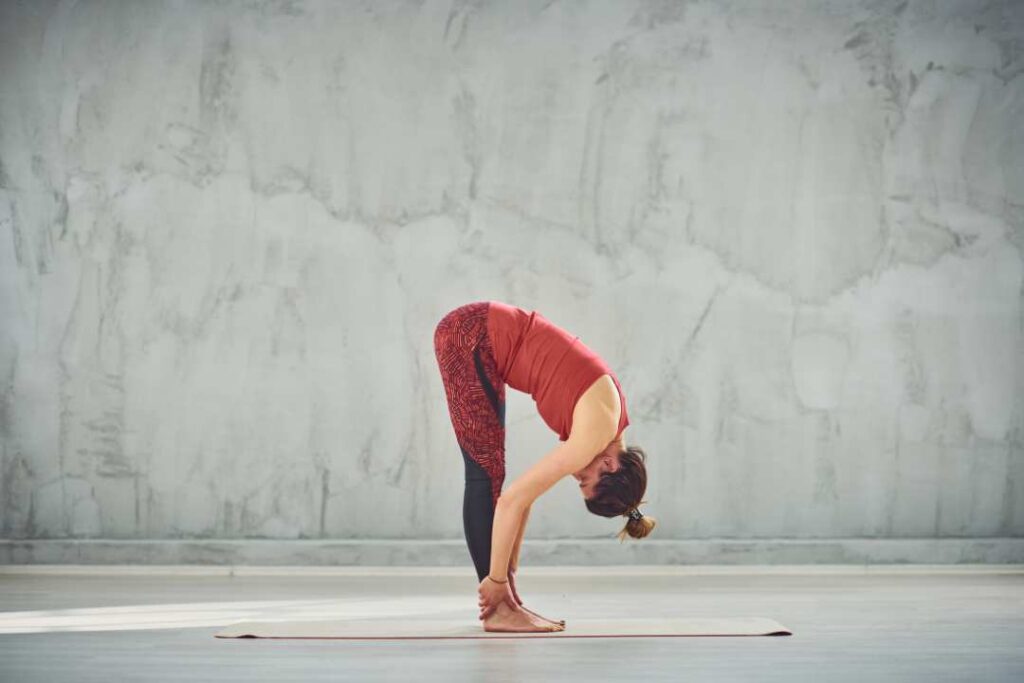
Improving posture is essential for enhancing self-perception and overall well-being. One way to improve posture is by practicing yoga or Pilates, as these exercises focus on strengthening the core muscles that support good posture. Additionally, incorporating regular stretching into your daily routine can help to release tension in muscles and improve flexibility, leading to better posture.
Another tip for improving posture is to be mindful of how you sit and stand throughout the day. Sitting with your feet flat on the floor, shoulders back, and head aligned with your spine can help to maintain good posture. Finally, investing in a supportive chair or mattress can also contribute to better posture by providing proper alignment for the spine.
By following these tips for improving posture, you can enhance self-perception and overall well-being.
Harnessing the Power of Posture for Positive Self-Perception
In conclusion, understanding the importance of posture is essential for harnessing its power for positive self-perception. Good posture not only contributes to physical health but also has a significant impact on mental well-being. It affects how we feel about ourselves and how others perceive us, making it crucial for overall well-being.
By recognizing the psychological effects of good posture on self-perception, we can take steps to improve it and reap the benefits of increased confidence, self-esteem, and mental health. By following tips for improving posture, such as practicing yoga or Pilates, incorporating regular stretching into your routine, being mindful of how you sit and stand, and investing in supportive furniture, you can enhance self-perception and overall well-being. Harnessing the power of posture for positive self-perception is essential for living a healthy and fulfilling life.
If you’re interested in understanding the difference between confidence and arrogance, you should check out this insightful article on confidence vs arrogance. It delves into the nuances of these two traits and how they can impact self-perception. Understanding the difference between confidence and arrogance is crucial in maintaining a healthy self-esteem and posture.


